
Maja Halas remembers finding an analogue camera at four years old and following her brother around the house. His head was missing from every portrait, but the impulse to preserve a moment had already taken hold. Years later, during the 2020 lockdown, she began moving from passionate amateur work toward a professional practice.
People remain the centre of her photography. When working with clients, Maja wants to understand who they are and how they want their story told; when working alone, she allows mood to guide the result. I was interested in that balance between empathy, intuition and the perfectionism that can either sharpen a photograph or prevent it from being made.
Find Maja Halas online
The interview
Hi Maja, how long have you been working as a photographer now?
In 2009 I bought my first camera, since then I haven’t left home without it.
What inspired you to become a photographer? What were your first steps?
I was fascinated with photography from a very early age. I remember the exact moment when I fell in love with the idea of capturing moments forever. I was 4, and it was around Christmas time when I found an old analog camera at home. I remember walking around the house, following my brother on every step, and taking photos of him. Although these photos were supposed to be portraits of him, he’s missing his head in each photo. And I guess that’s how it all started.
Then in 2009, I bought my first camera, and as I said, I haven’t left my home without it since. But it was in 2020, during the lockdown, that I started thinking about taking it to the next level, and the transition from amateur to professional photographer began.
Are you a professional or an amateur photographer?
In a transition from amateur to professional.
What is your favorite subject to photograph?
People. Nothing fascinates me more than people.
What kit do you shoot with?
- NIKON D5300
- NIKON D7500
- AF-S NIKKOR 18–140mm f/3.5–5.6G ED
- AF-S NIKKOR 18-105mm f/3.5-5-6G ED
- AF-S NIKKOR 50mm f/1.8G
- AF-S NIKKOR 35mm f/1.8G
How would you define your photographic style?
I would call it "this is how I feel at the moment" style when I work alone. But when I work with my clients, I really try to get to know them. I want to know who they are, what their story is, and how they want it to be told.
Which editing software do you usually use?
Mostly, I use Photoshop. And Lightroom for some quick editing.
John Wanamaker said: Half the money I spend on advertising is wasted; the trouble is, I do not know which half. Do you gain your clients by advertising or in another way?
Mostly from people who are spreading the word.
How does your typical working day look like? What do you do when you are not working? How many hours/days per week are you working? What do you do in your free time?
It starts around 7:00 with coffee and ends around midnight with photo editing. I work 5–6 days per week. And when I’m not at work, I think about work. So in my free time, you will probably find me planning my future projects. But I do take at least an hour per day for myself. And then I usually put my earphones on and go for a jog.
What would you do differently if you would start again?
I would start earlier.
A professional photographer is also an entrepreneur. Entrepreneurs have many things in common. They read a lot. What about you? What are your favorite books?
Everybody who knows me knows that I grew up with J.R.R. Tolkien and that I am absolutely in love with his books. I can read these books on repeat like a song. I use them as tools to escape from the world from time to time.
What was the best advice you have ever received as a photographer? Do you have any advice for other photographers?
It’s ok to be a perfectionist until that perfectionism isn’t standing in your way of achieving your goals. And it was from my father. And that would be my advice for other photographers too, I guess.
Top 3 mobile apps on your smartphone?
- Messenger
- Lightroom
Top 3 websites?
- Youtube
- Flickr
Your last vacation?
Balkan.
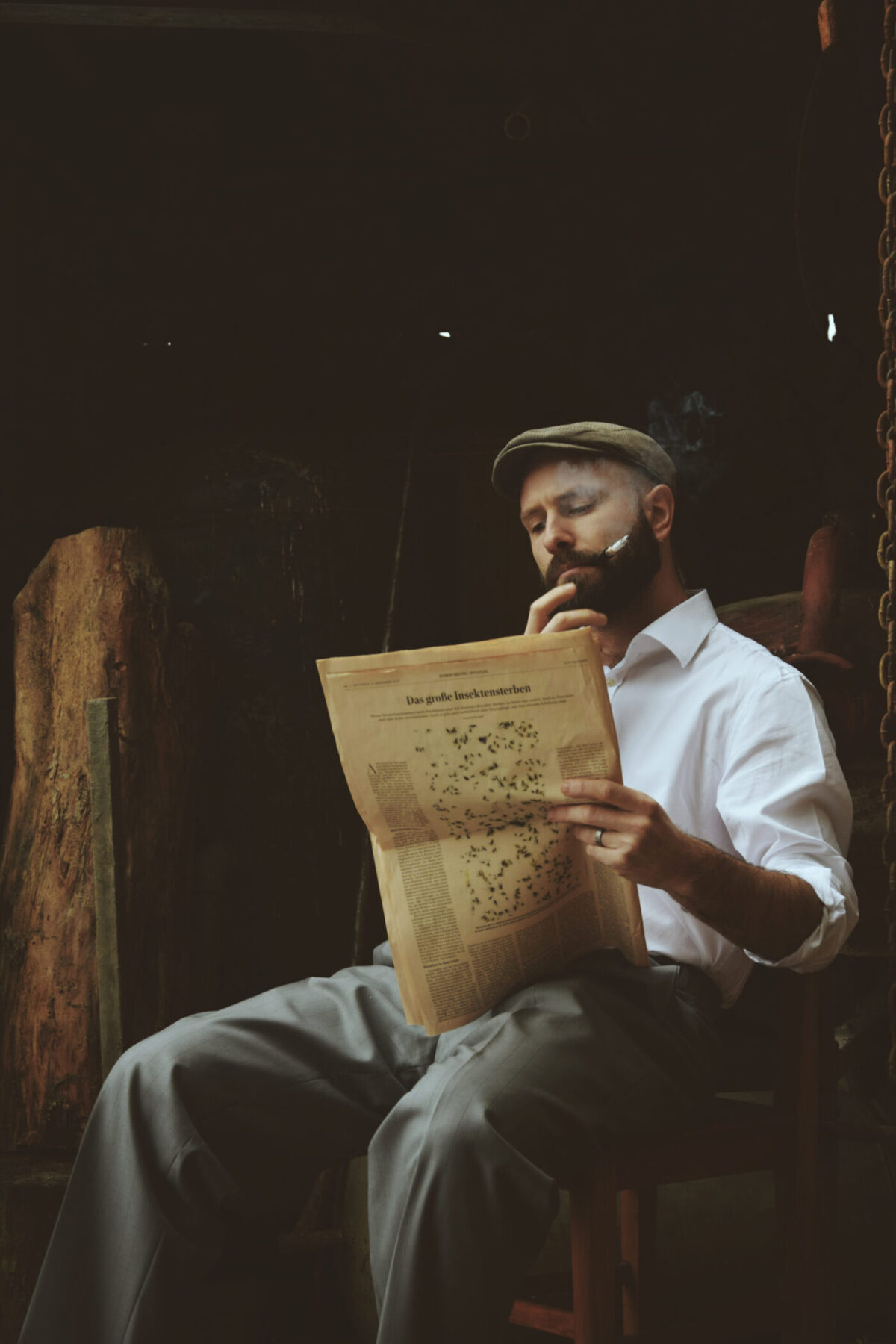
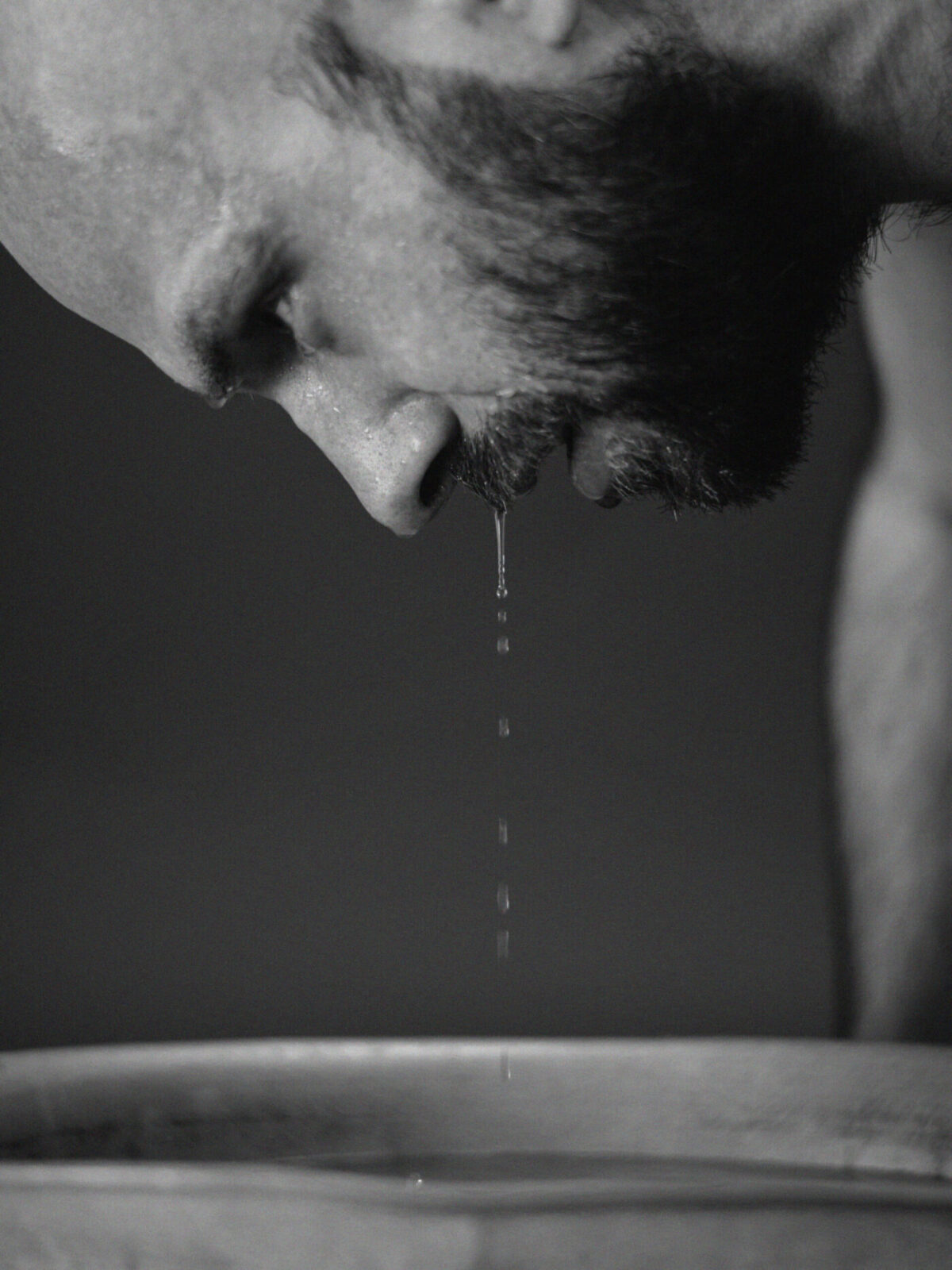
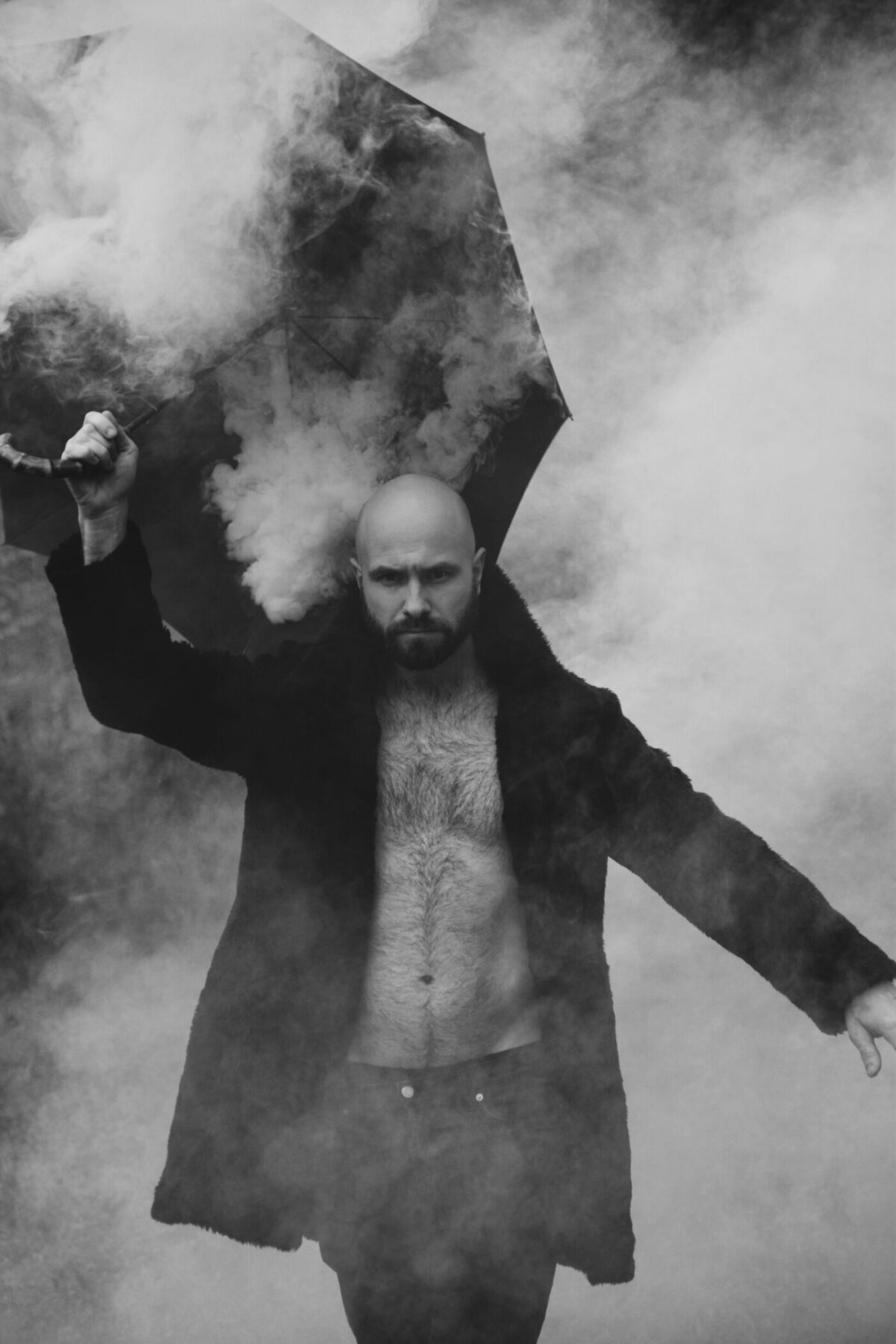
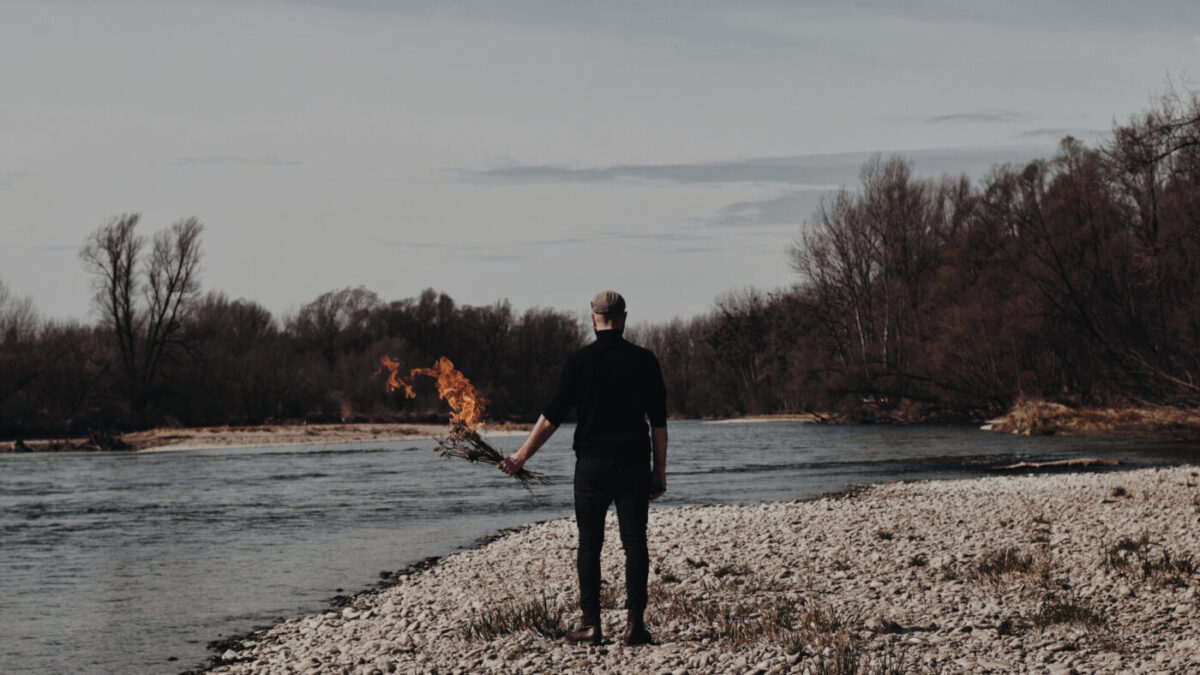
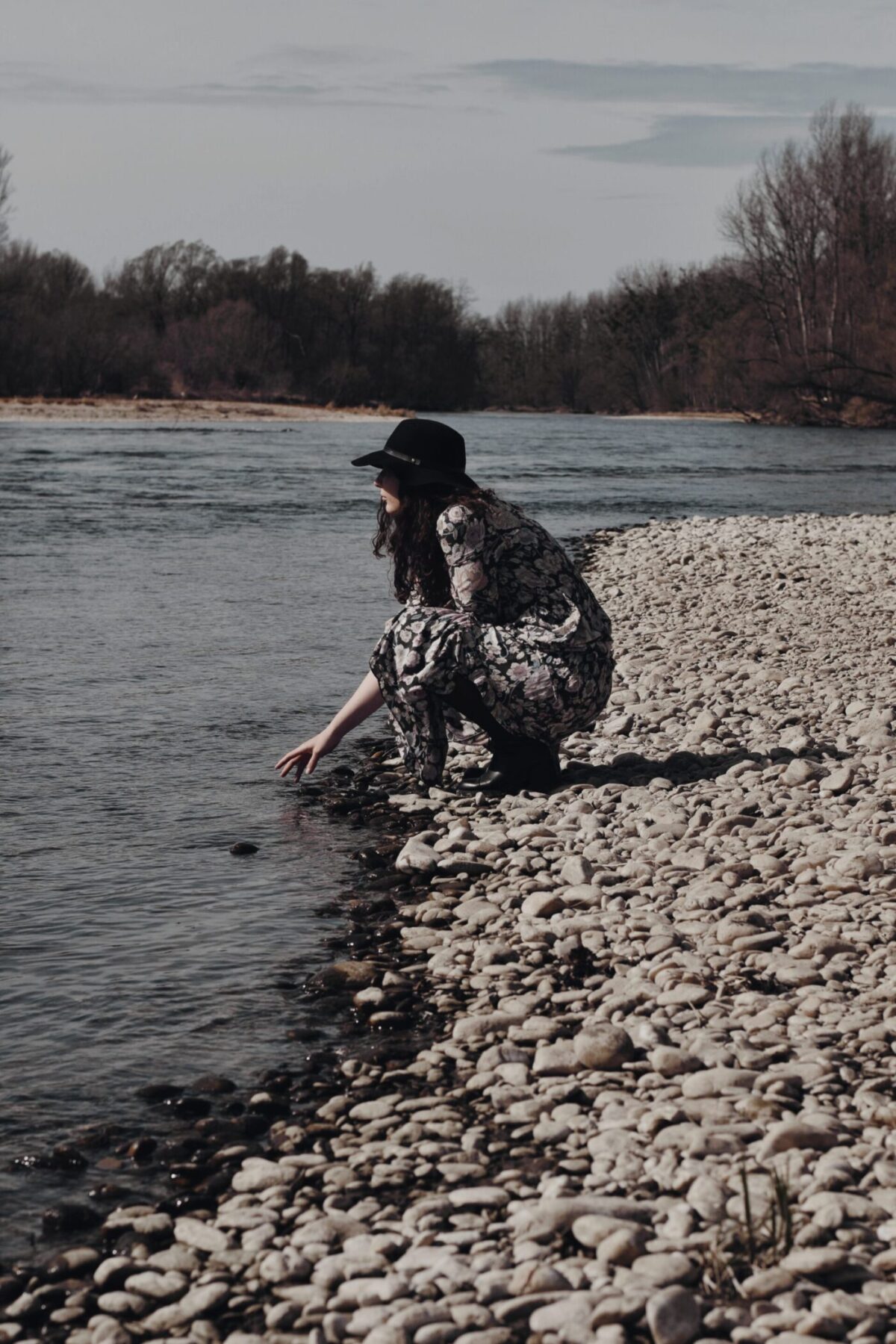
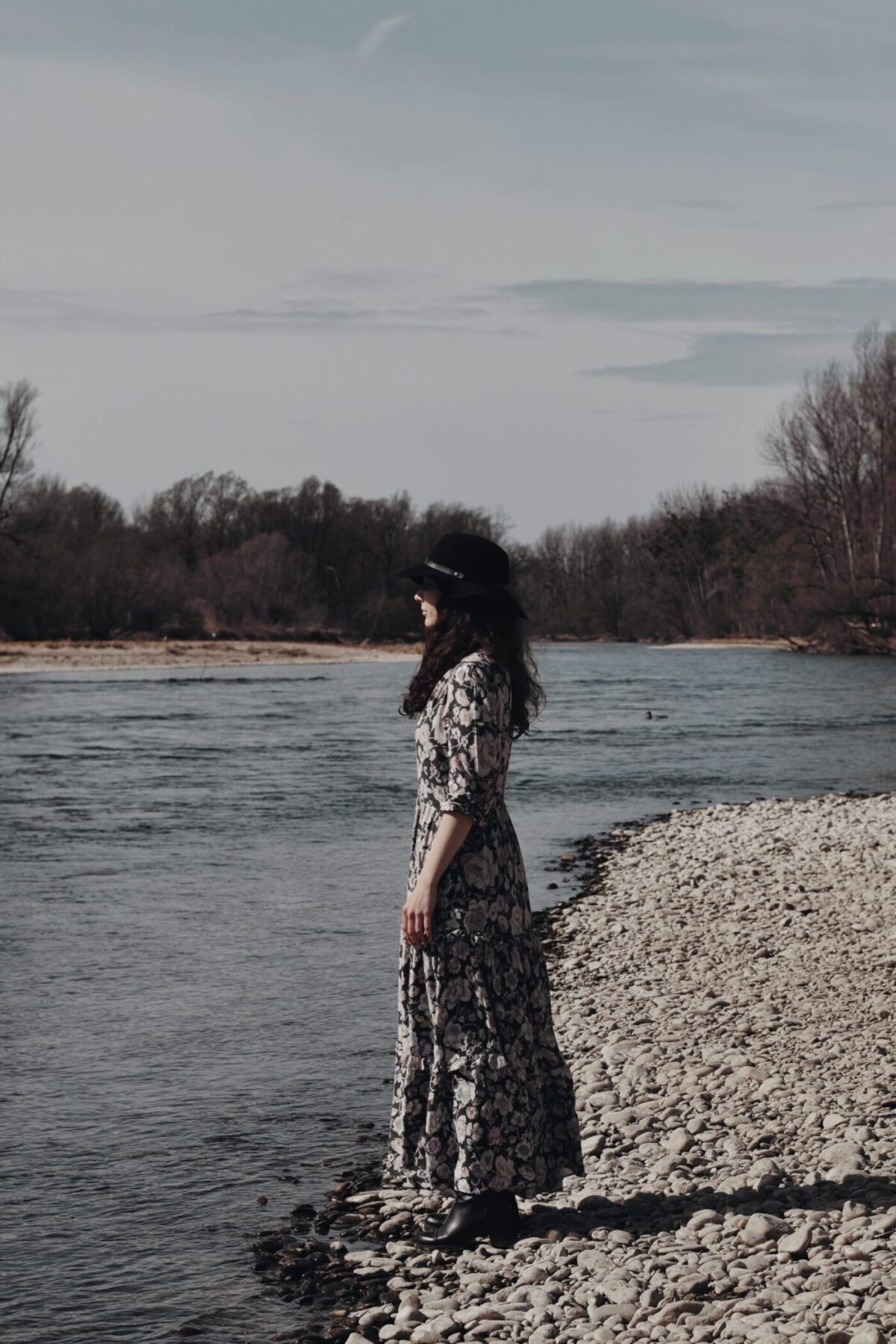
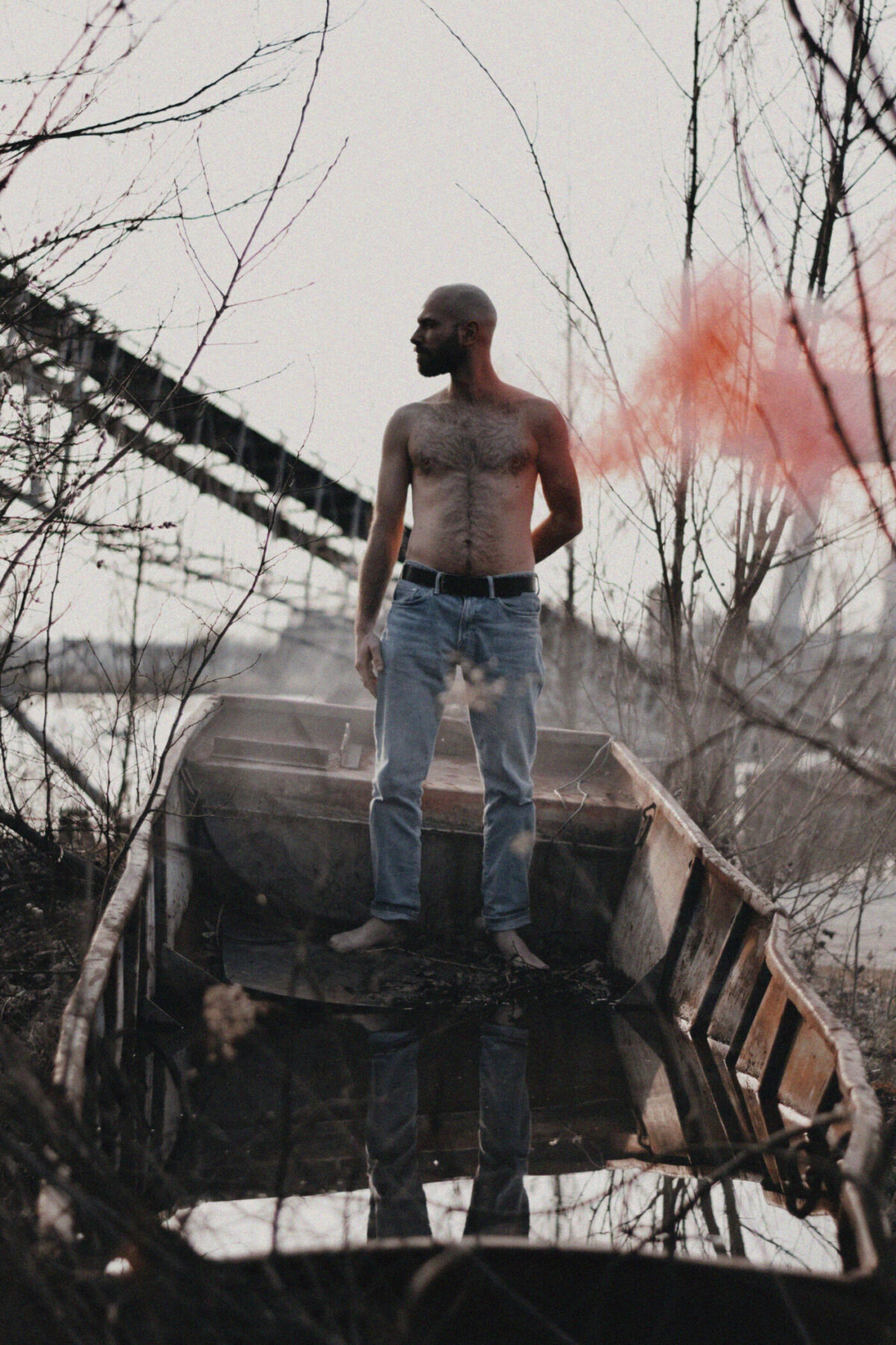
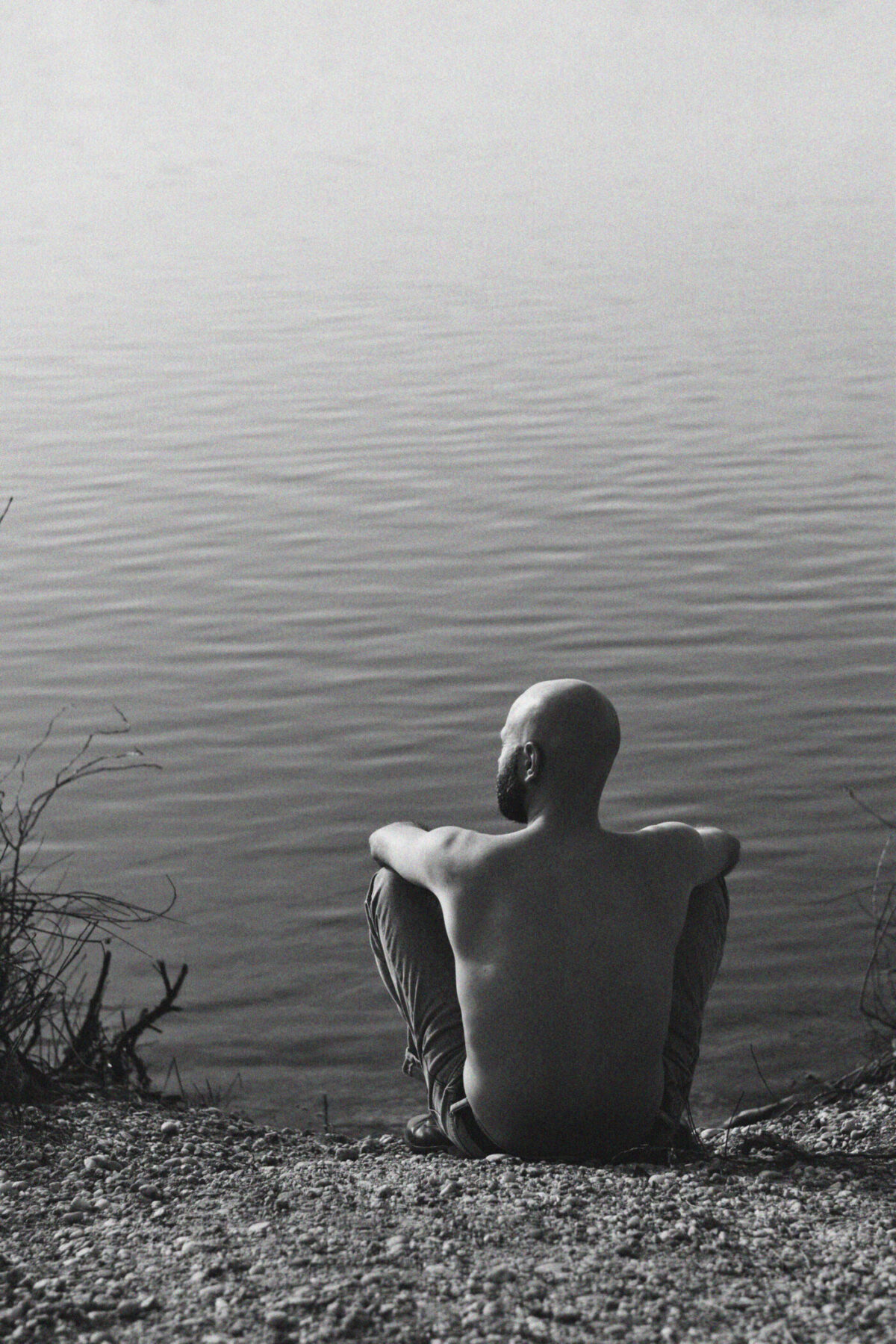
Photo gallery by Maja Halas
What stayed with me
Maja’s father gave her advice that many photographers need to hear: perfectionism is useful only until it begins blocking the goal. A careful eye improves work; an impossible standard can keep the camera in the bag and the project unfinished.
Her client portraits begin with conversation rather than a formula. That approach makes technical decisions serve the person, not the other way around. The childhood photographs may have missed a few heads, but they started a lasting attention to people and the stories they want to keep.