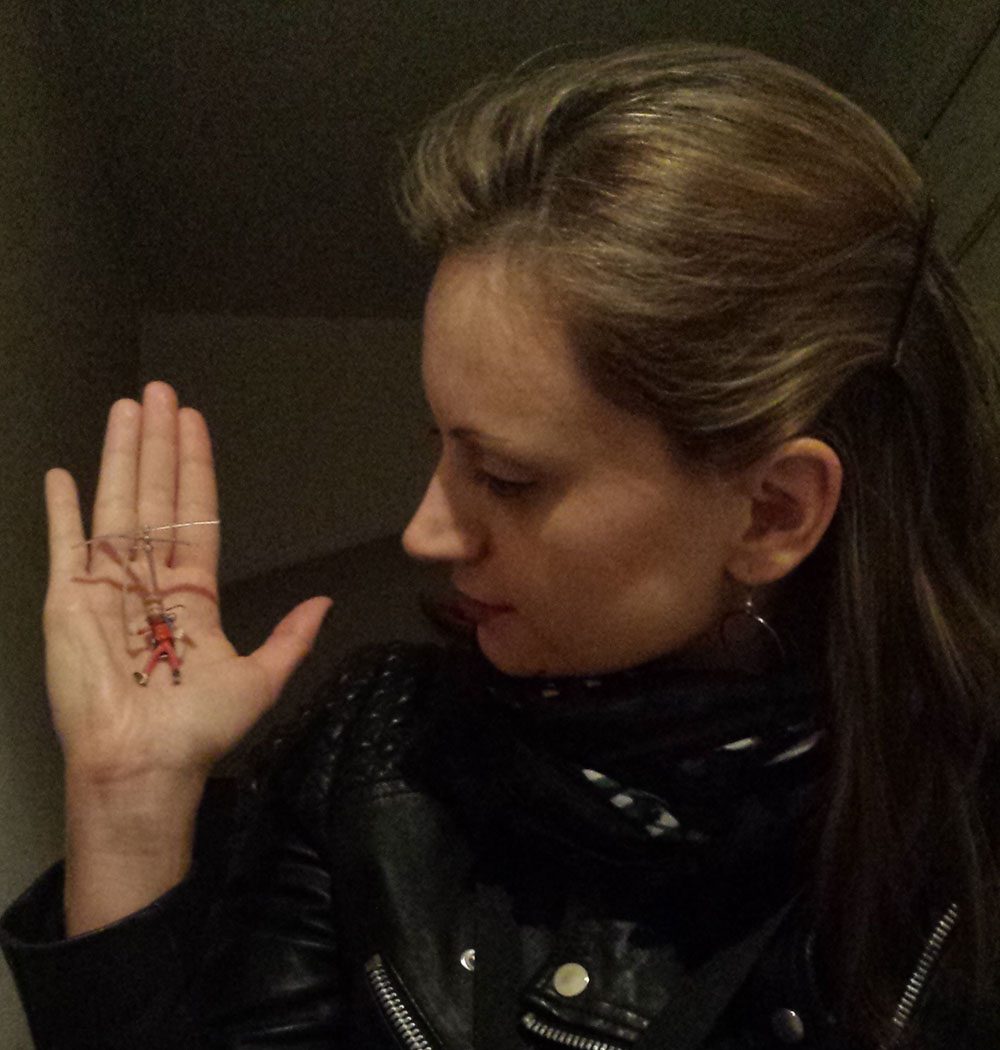
Ana Jelic approaches photography with the instincts of a documentarian. Her subjects include cities, people, animals and the relationships between them, and she prefers images that remain close to the reality she encountered. That restraint is visible in the way she speaks about editing too: basic colour correction, not a transformation of the event.
Her route into photography began with an early fascination for cameras, films and darkrooms, followed by a course in Belgrade when she was fifteen. In our conversation, those beginnings lead naturally to larger questions about curiosity, courage and the value of following an inner need even before the outcome is clear.
Find Ana Jelic online
The interview
Hi Ana, how long have you been working as a photographer now?
I have been in photography since I was 15 years old, or about 23 years. I am not actually working as a photographer; I am a photo amateur who gives myself specific tasks in the field of documentary photography. These tasks usually include places, cities, nature, people, and animals. Right now I am in the process of making numerous photo stories about people: animal lovers who take care of stray animals, owners of animal shelters, and people who collect donations via social networking for animal care.
What inspired you to become a photographer? What were your first steps?
It has always been interesting for me to watch people with cameras and also scenes in movies in photo labs, so I guess that made me attracted to photography. Another reason, I guess, was that I have been interested in movies since childhood, and photography and cinema are very similar and connected.
My first step into photography was one course in photography in Belgrade, which I attended when I was 15.
Are you a professional or an amateur photographer?
Amateur. I did work as a professional photographer for a couple of years after my graduation at the Faculty of Dramatic Arts, Film and Television Camera Department. Then I started to work as a 3D character animator and did photography for only personal projects.
What is your favorite subject to photograph?
As I wrote earlier, places, cities, people, animals, and nature.
What kit do you shoot with?
Canon 5D Mark II, lenses 50mm 1.4 Canon, 17-40mm 4 Canon, and 100mm 2.8 Canon.
How would you define your photographic style?
I'm not sure I would say that I have my own style, but let's say that I do strive to convey reality to my photos as much as possible, in a realistic way, with very basic color correction.
Which editing software do you usually use?
Adobe Lightroom.
John Wanamaker said: Half the money I spend on advertising is wasted; the trouble is, I do not know which half. Do you gain your clients by advertising or in another way?
I do not live from photography, so I do not need to gain clients yet. But I do try to be active on social networks and post photo stories or solo photographs as much as possible, because in that way I drive myself to do photography, maybe not on a daily basis but weekly.
How does your typical working day look like? What do you do when you are not working? How many hours/days per week are you working? What do you do in your free time?
Well, I spend my typical working day on my computer animating. When I get my job done, if I have an idea about making a specific photo story, I organize travel, calls, etc. Also, I would just make the trip to some specific place and spend my day roaming around with my camera, exploring, and shooting.
What would you do differently if you would start again?
Tough one! :) I am not sure, honestly. There are a lot of things on one hand, but on the other, none, because maybe everything is and was as it is and was supposed to be. It depends on my mood, I guess...
A professional photographer is also an entrepreneur. Entrepreneurs have many things in common. They read a lot. What about you? What are your favorite books?
I am into novels mostly, and if I had to recommend one, it would be The Dog by Ivan Tokin, a Serbian writer. It is a story about the dog's life from the perspective of the dog (the dog is the narrator).
What was the best advice you have ever received as a photographer? Do you have any advice for other photographers?
I don't remember any specific advice to mention; I guess that most of them were related to some specific moment or specific photos. As for advice for other photographers, I guess that would be to be free, brave, and curious to investigate what your inner needs are, not just in the field of photography but in any other. I think that following that need and desire will eventually lead you to good results and true satisfaction.
Top 3 mobile apps on your smartphone?
- Facebook (for posting photos)
- Duolingo
Top 3 websites?
- Youtube
- B&H
Your last vacation?
Croatia.
Photo gallery by Ana Jelic
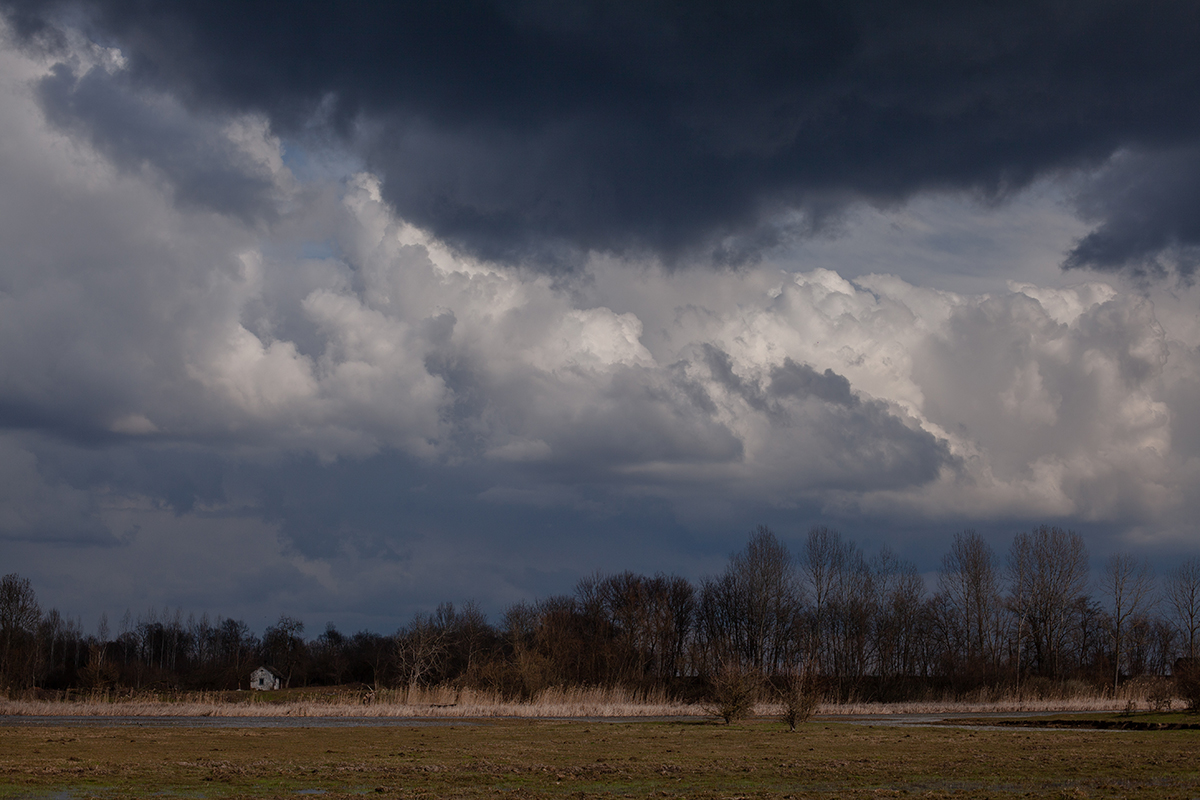
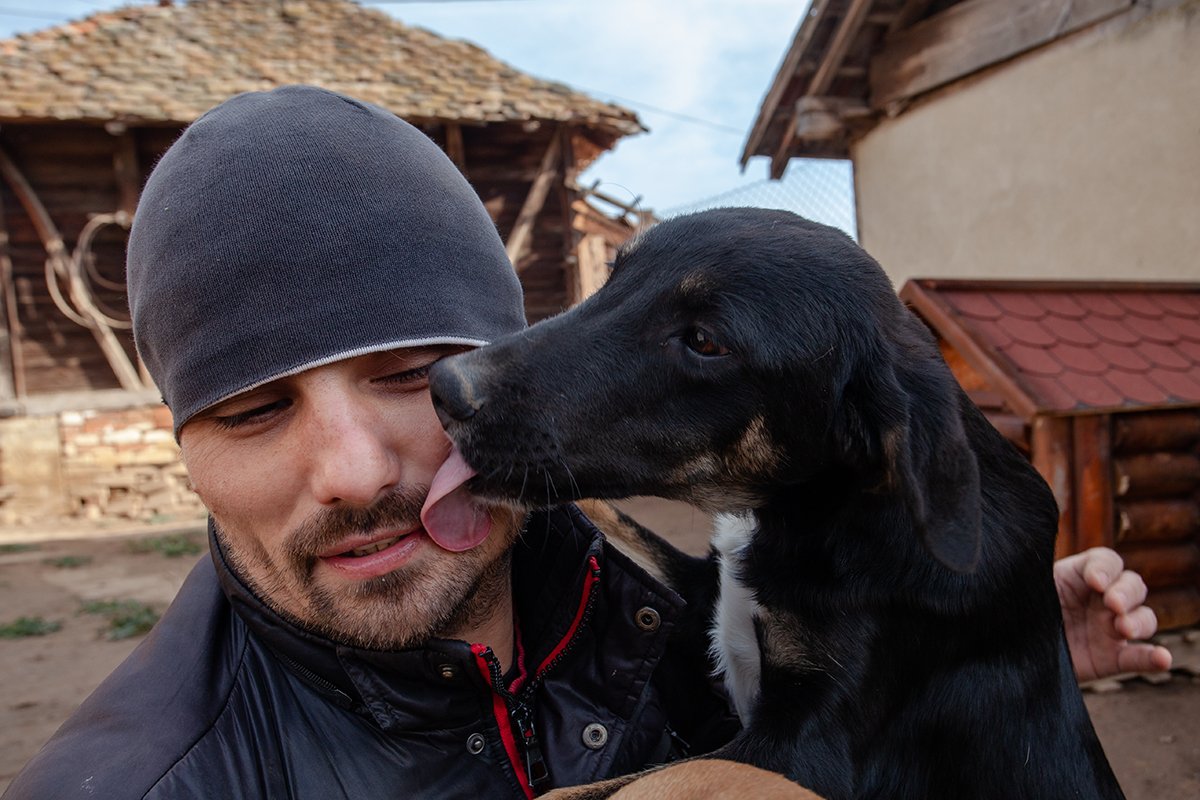
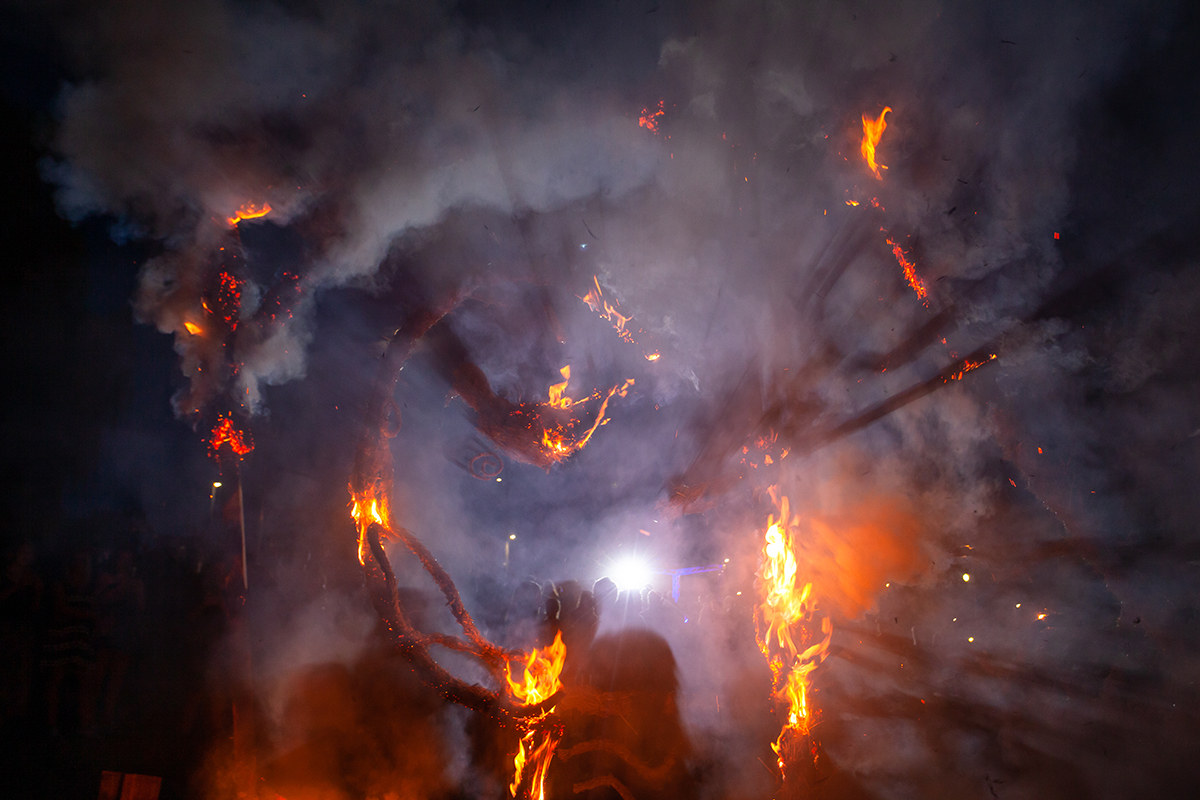
What stayed with me
Ana’s answers remind me that documentary photography depends as much on temperament as technique. Curiosity gets the photographer into the world; patience and honesty decide what happens once the camera is there. A realistic treatment of colour is only one part of that responsibility.
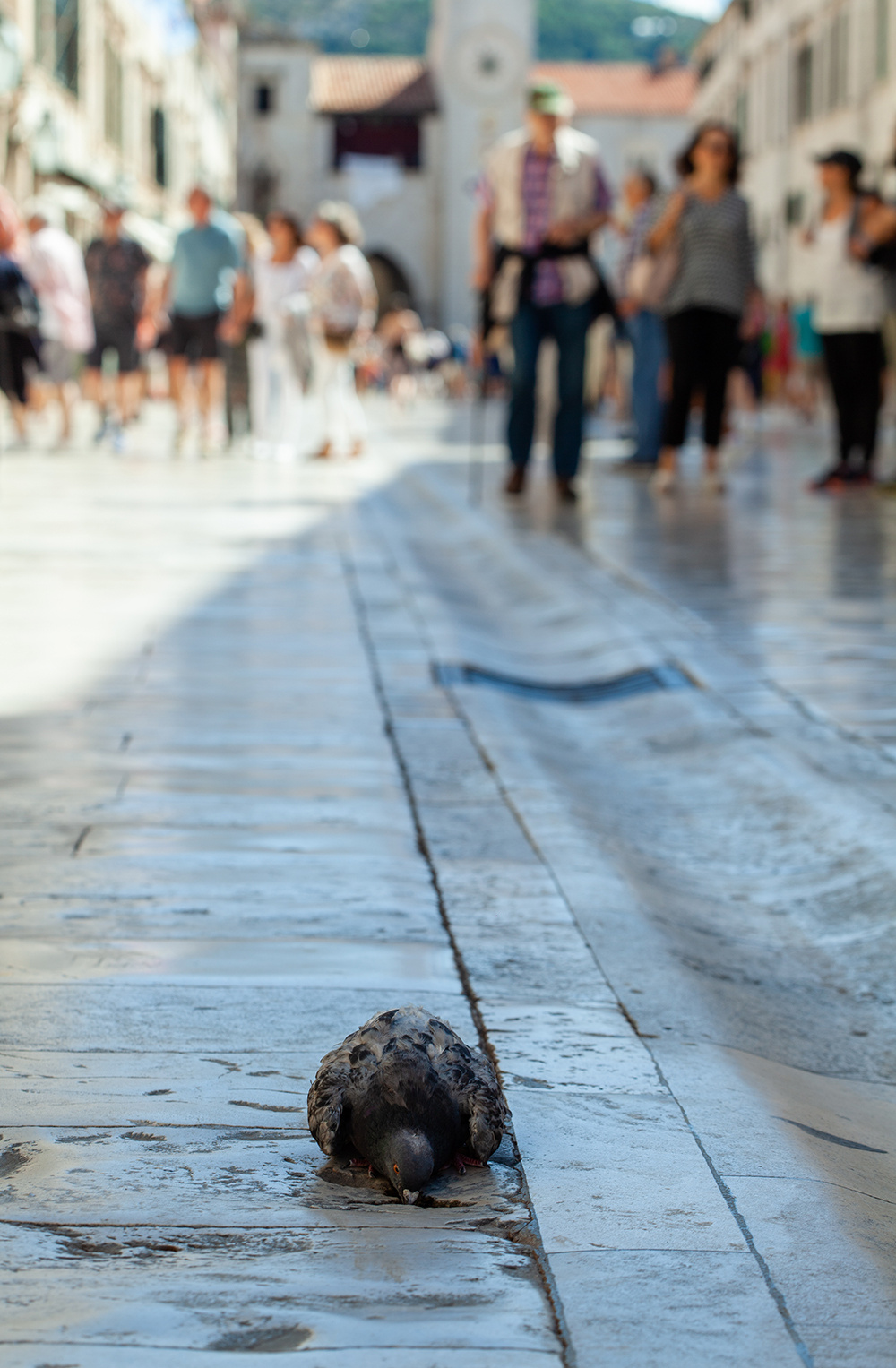
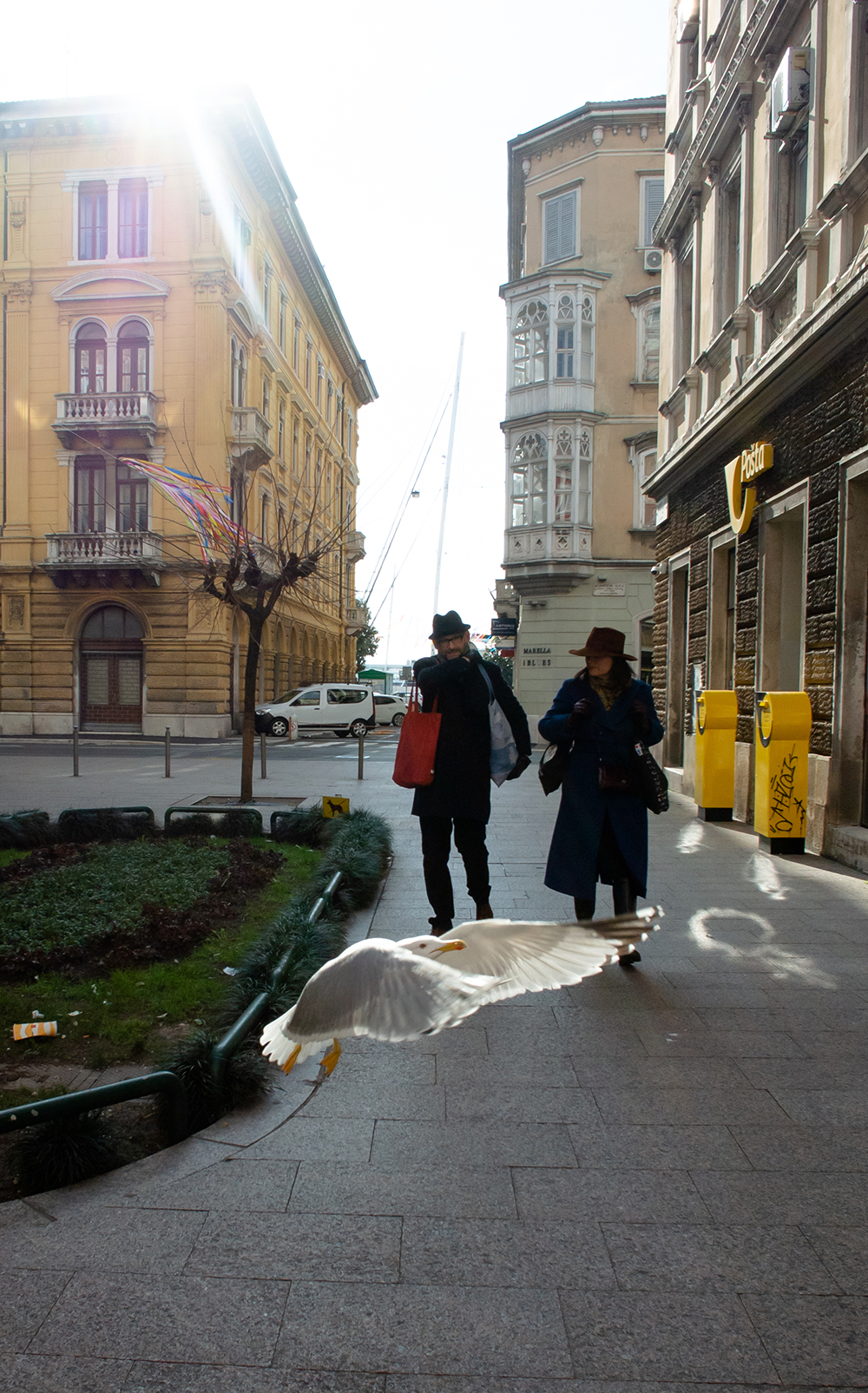
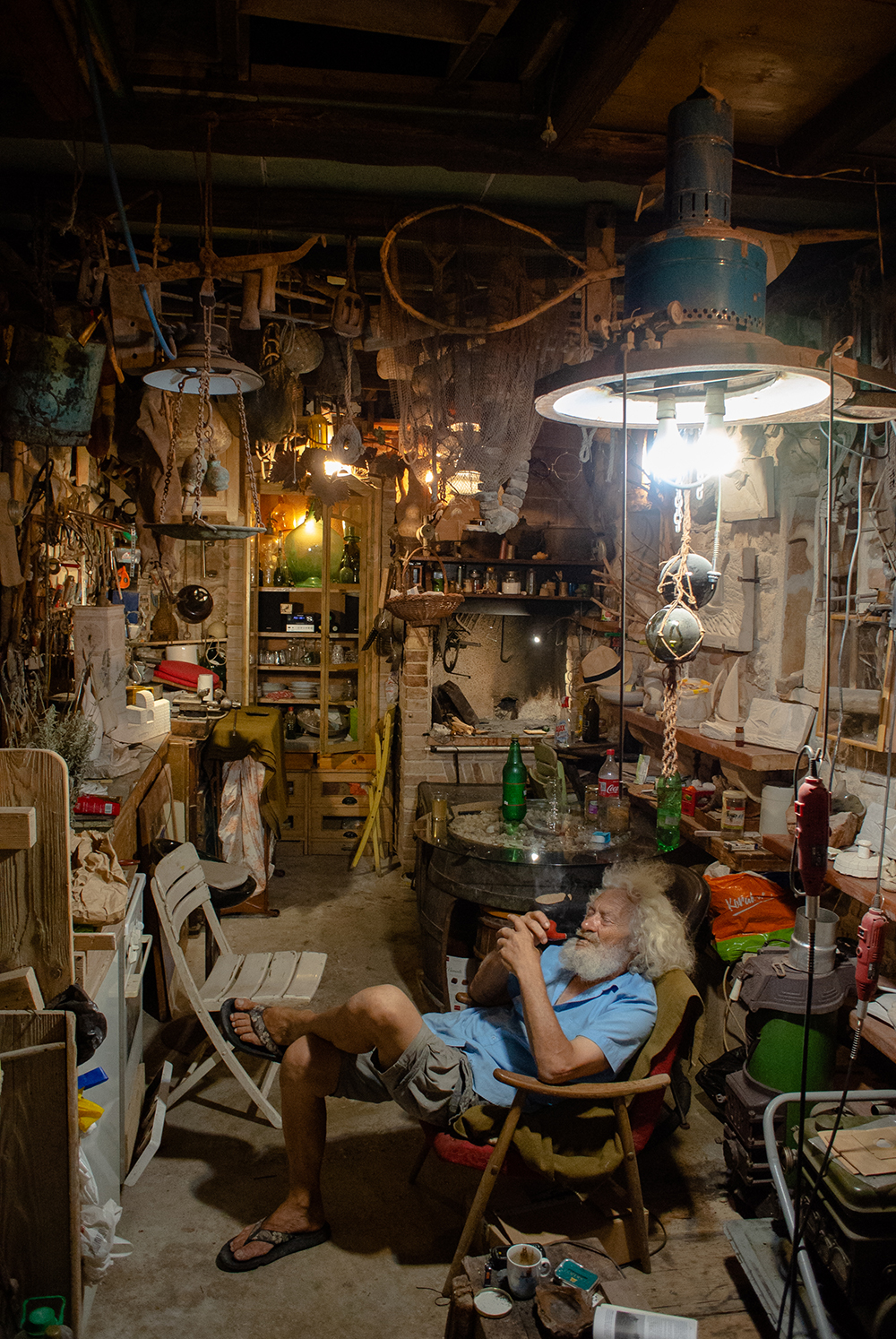
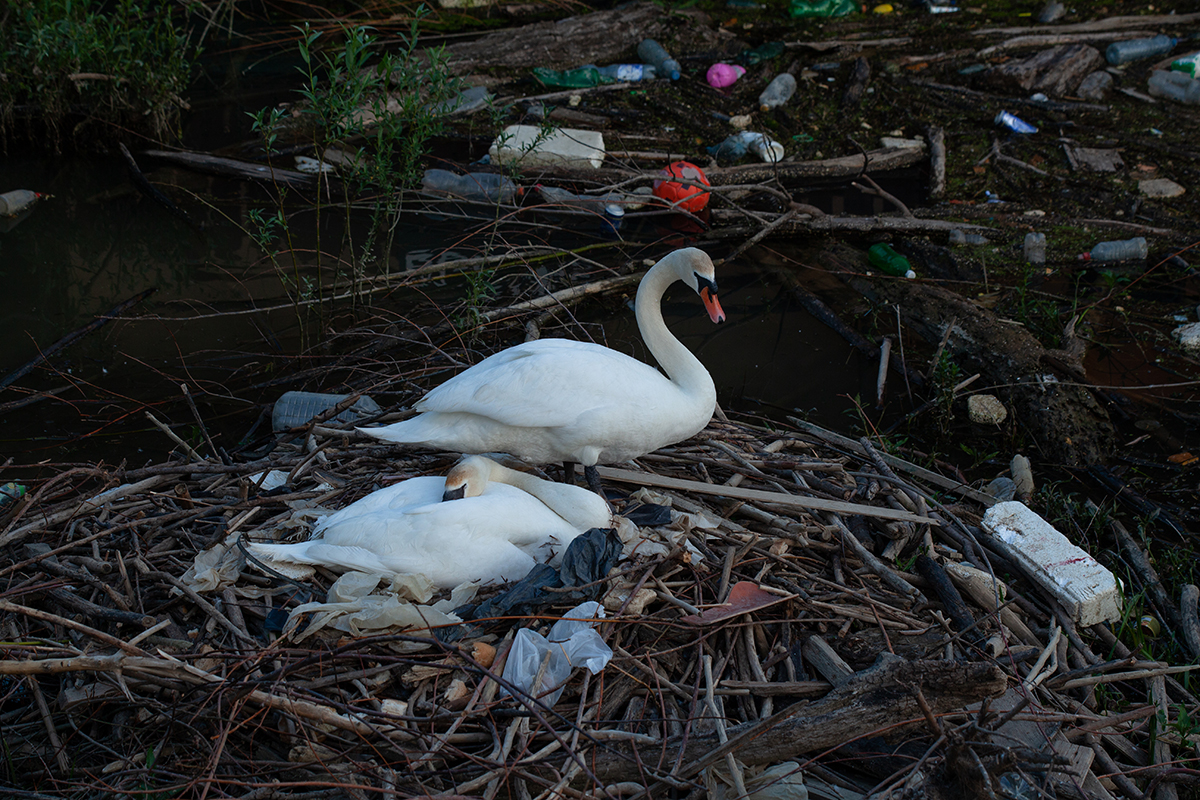
The gallery makes that temperament visible. The Dubrovnik photograph is not, as the title first suggests, of a person — it is a pigeon shot low and close on the Stradun, the actual year-round “habitant” of a city otherwise filled with tourists who blur past in the background. It is a quiet joke, but also a real observation about who a tourist town belongs to. The swans nesting in a heap of driftwood and plastic bottles on the Sava make the same kind of point without needing one: life persisting inside the mess people leave behind, recorded without staging it into outrage.
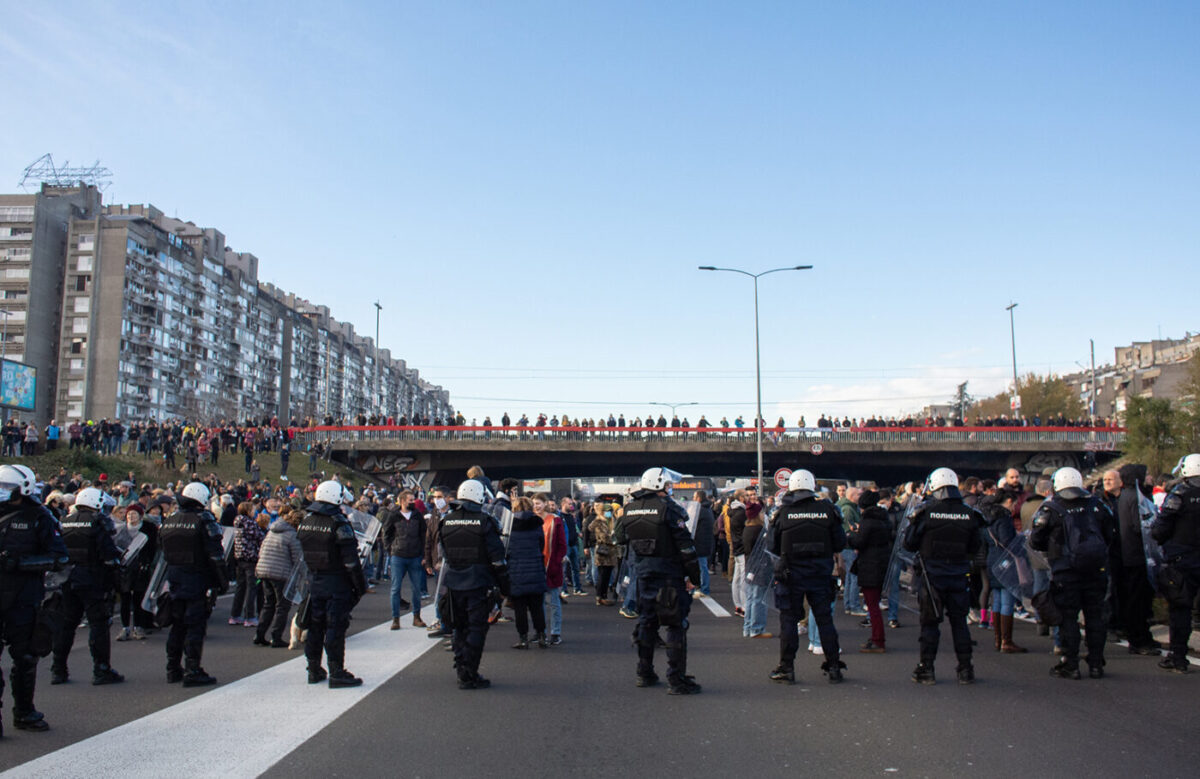
Her closing advice—to remain free, brave and willing to investigate what genuinely matters—does not offer a quick formula. It offers something better: a direction. The strongest documentary work often begins when the photographer stops chasing an approved subject and starts paying closer attention to the life already unfolding nearby, whether that is a riot line on a highway, a sculptor smoking his pipe among decades of clutter, or two swans doing their best on a riverbank.