
Tijana Jankovic-Jevric works where photography, journalism and cinema meet. As Miss Stills, she has made advertising, beauty and portrait work, while her editorial background keeps narrative at the centre of the frame. Even a simple portrait, she argues, needs something to be happening inside it.
Her photographic story began at fourteen with a Smena 8 film camera and thirty-six pictures of classmates. The fact that some were sharp and properly exposed was enough encouragement to imagine formal study later. In our conversation, Tijana traces the long distance between that first roll of film and an accomplished professional practice built on people, stories and sustained work.
Find Tijana Jankovic-Jevric online
The interview
Hi Tijana, how long have you been working as a photographer now?
It sounds so unbelievable to me, but the fact is that it has been on and off for 20 years now. I was only 18 when I enrolled in film school to study cinematography. We were shooting on film back then! (smile) We had digital video cameras, but photography was done on film. So, we had to be very careful and thoughtful before we would press the shutter each and every time. I was in the 20th century! (smile) I’ve focused my resources on developing my freelance photography business strongly in the last 6 years, though.
What inspired you to become a photographer? What were your first steps?
I’ve always been in love with arts and crafts. Ever since my early childhood. I believe the very first reason, not the only one (I’ve had many more along the way), was my encounter with the Russian film camera Smena 8. I was 14 back then. I took 36 photos of my classmates. Some of the pictures came out pretty nice, or, let’s put it this way and be honest, they were sharp and well exposed. It was good enough to encourage me to contemplate the idea of studying photography some day in the future. Which I did!
Are you a professional or an amateur photographer?
A full-time professional. This is my job, and I’ve been formally trained for it.
What is your favorite subject to photograph?
Without any doubt, people! I like to portray people either with a camera as a photographer or by interviewing them as a journalist.
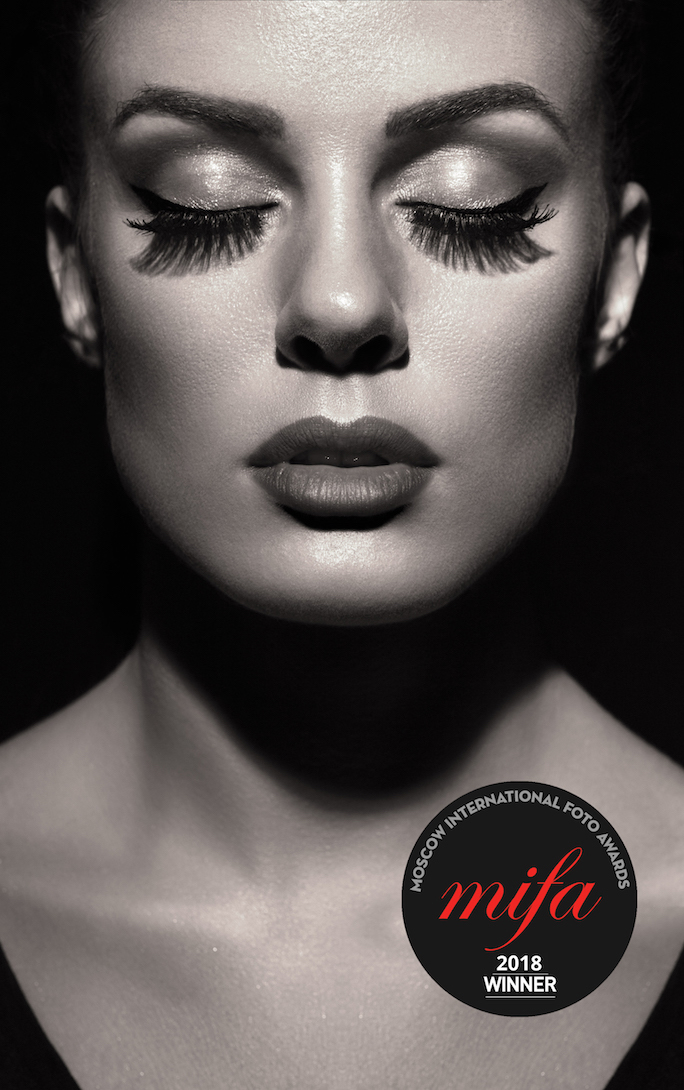
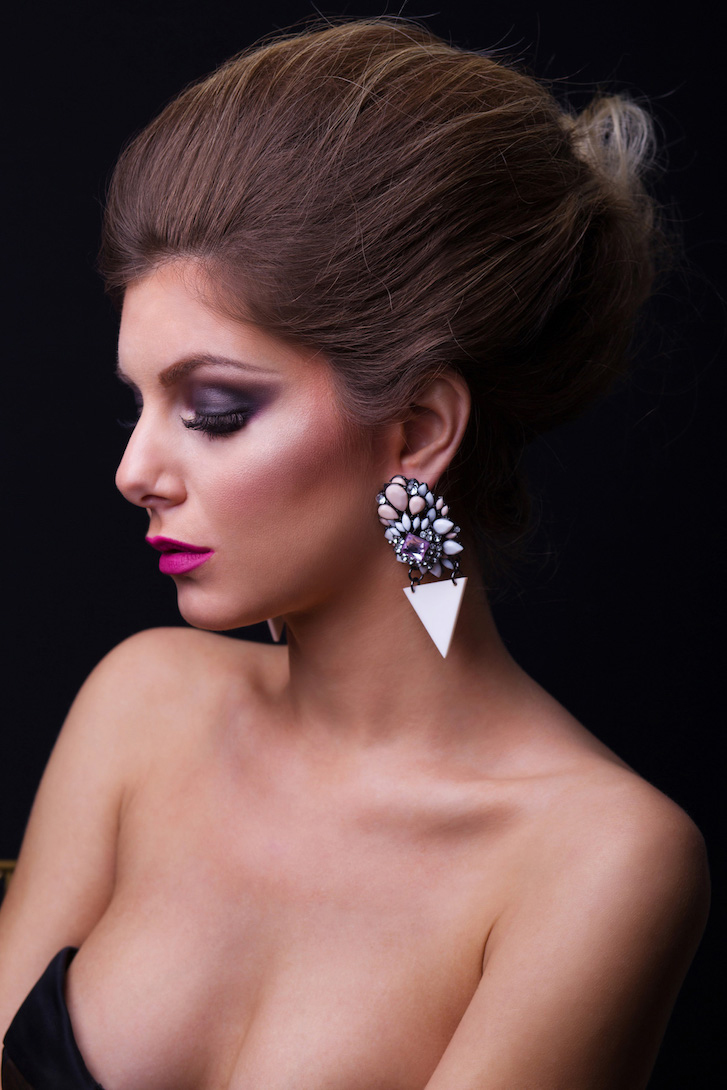
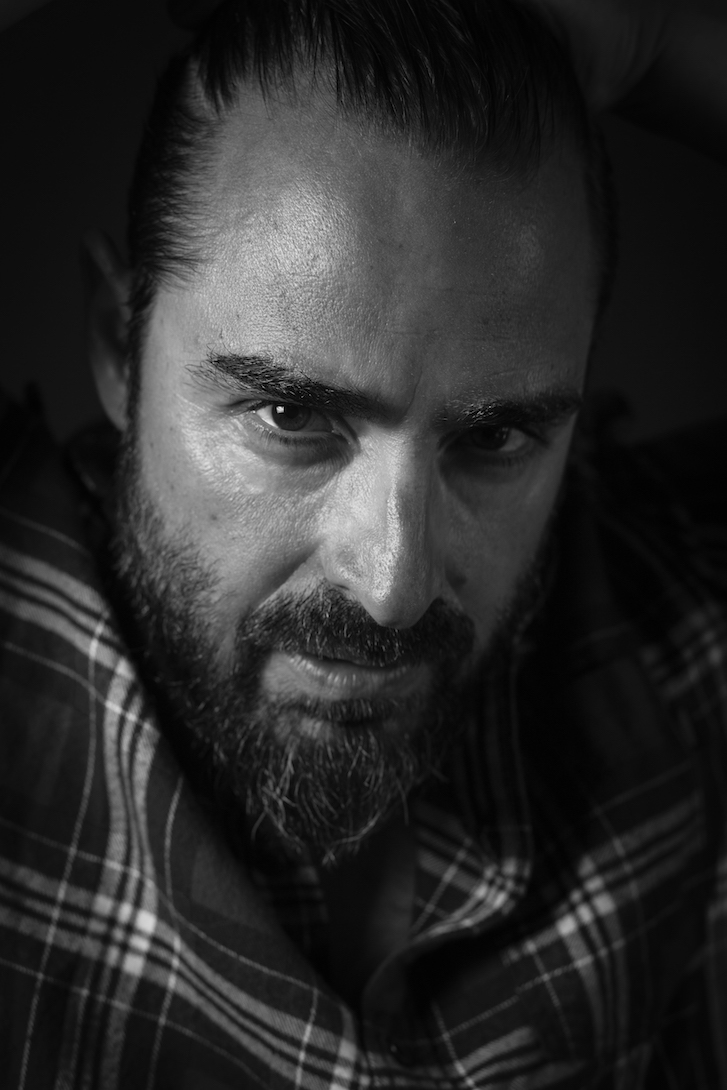
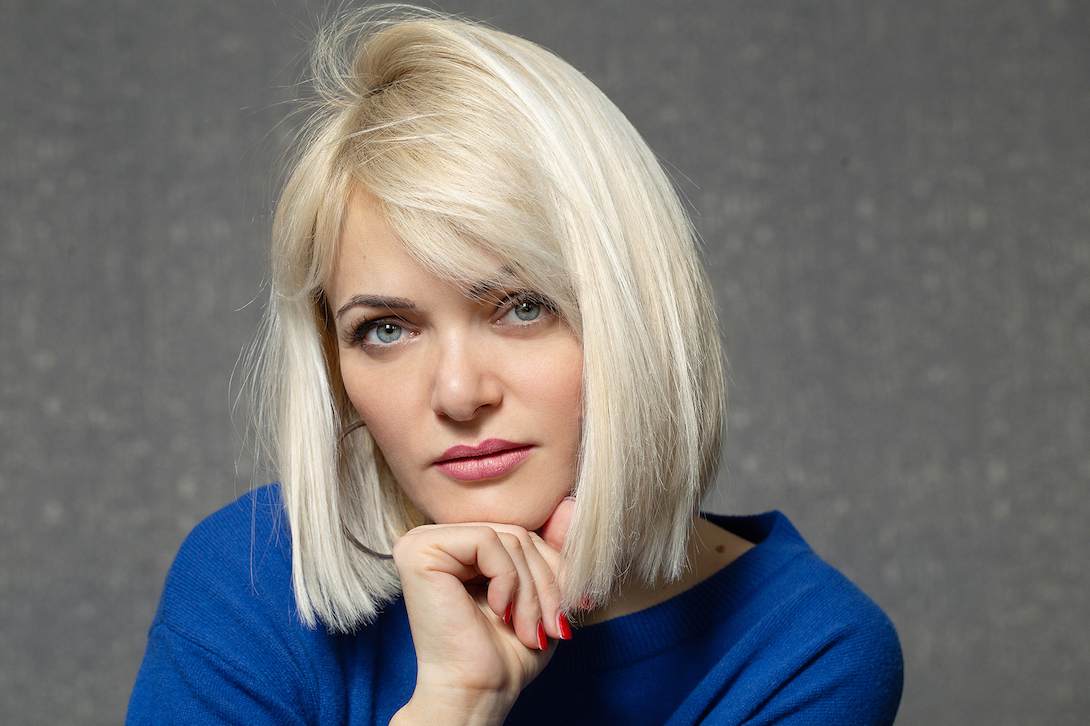
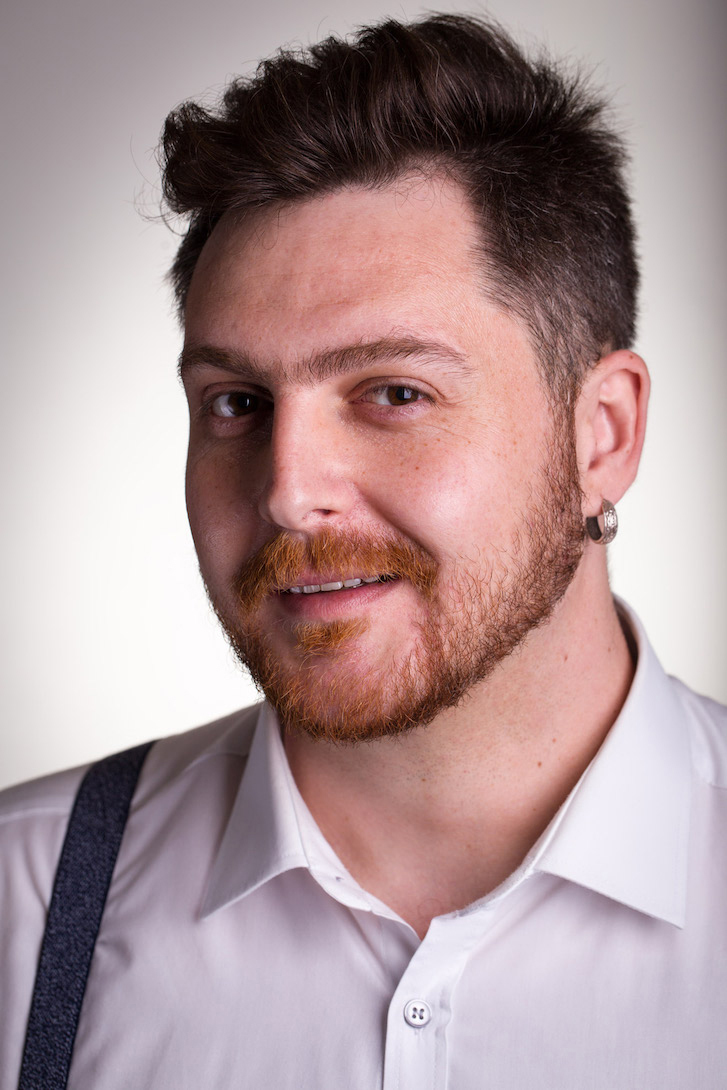
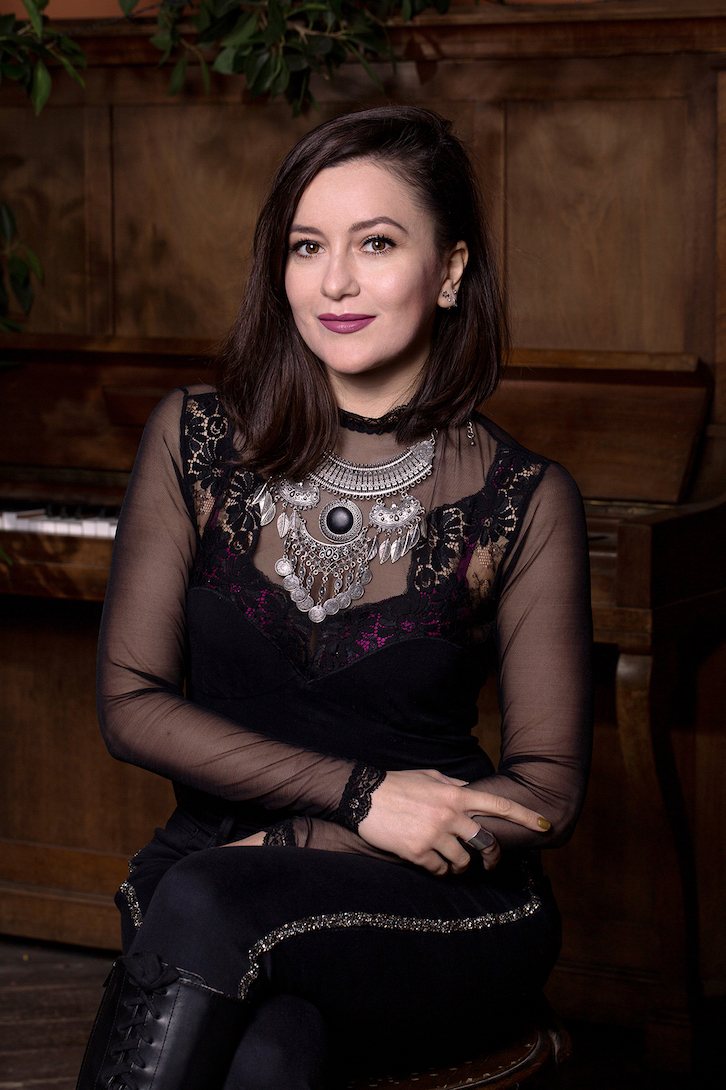
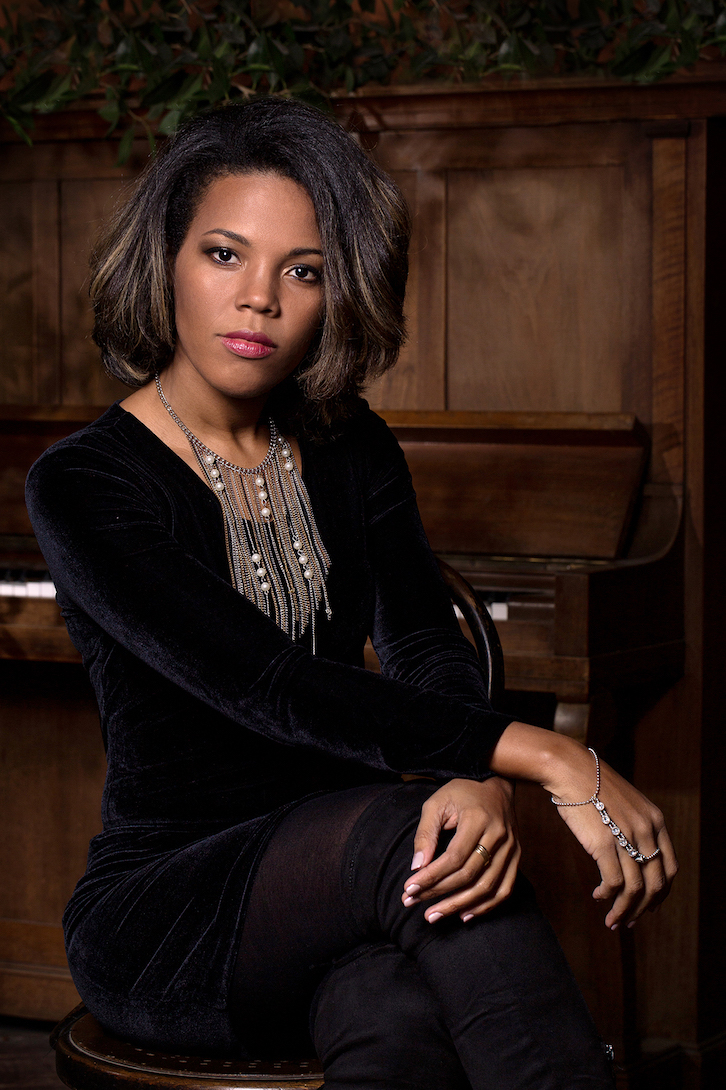
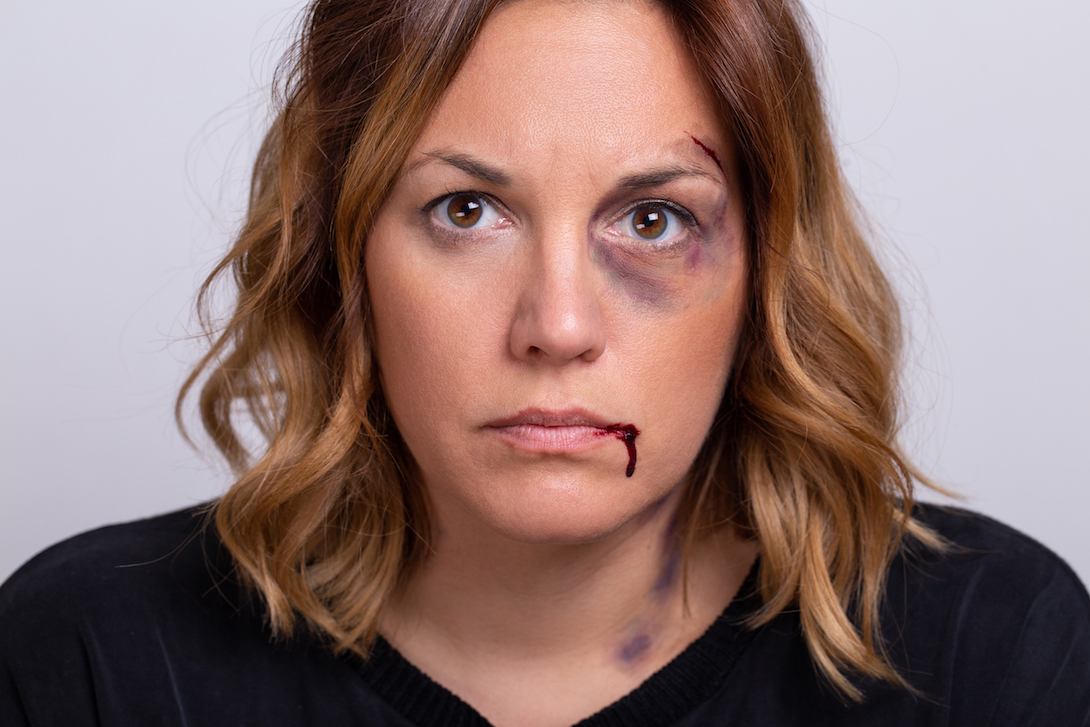
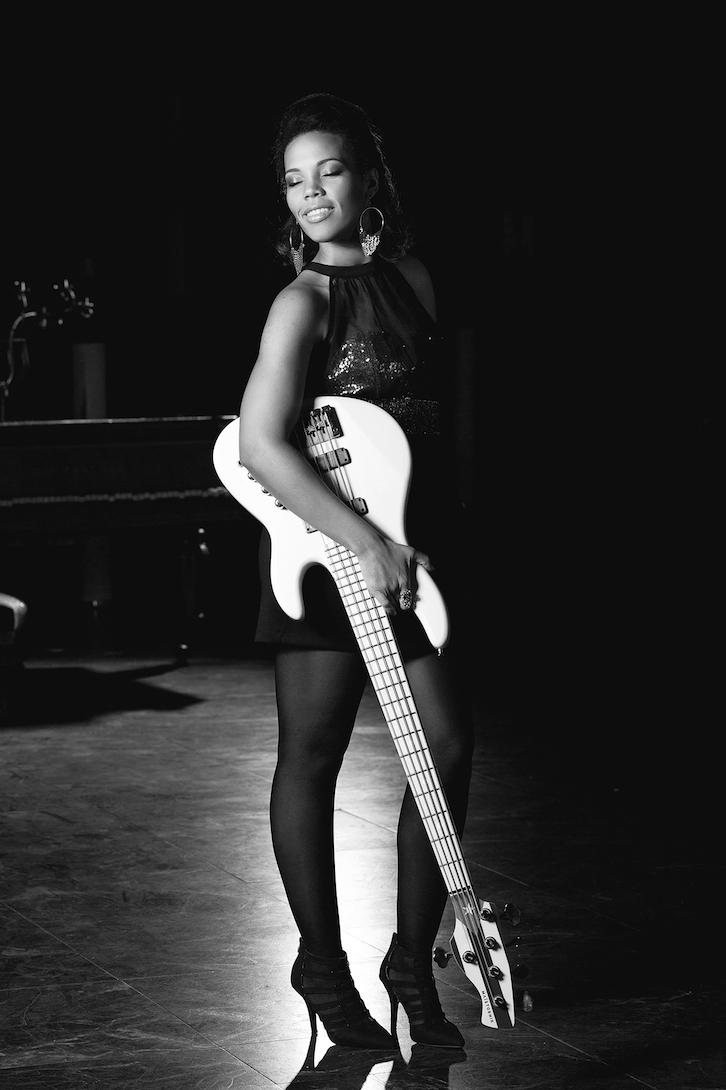
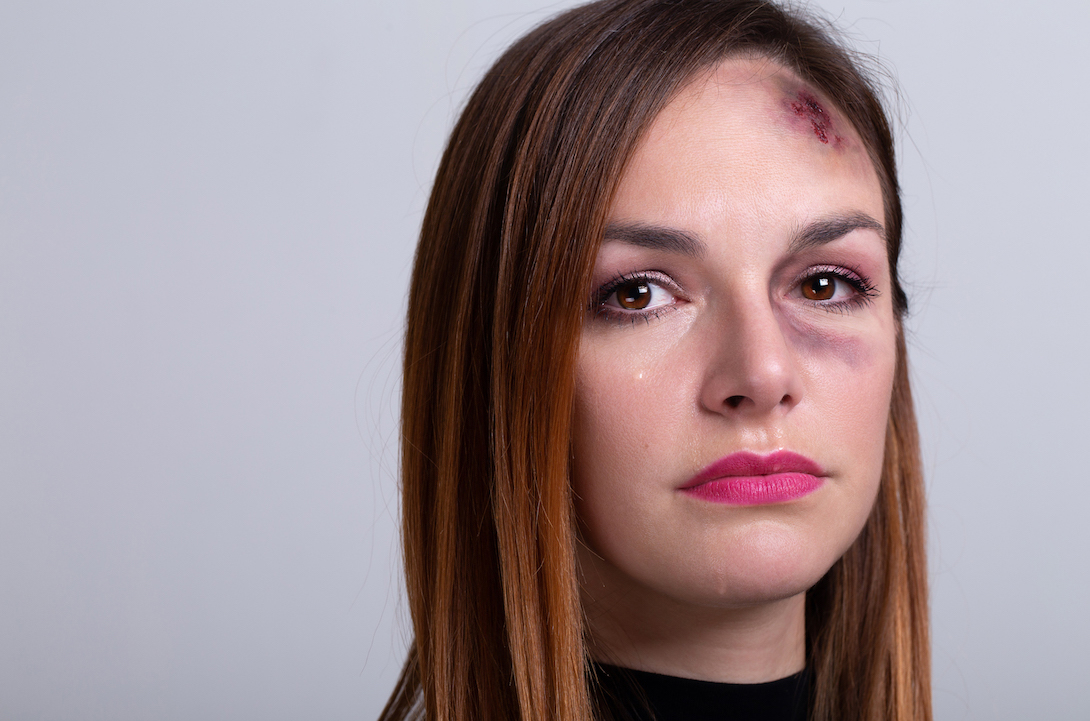
I photograph almost all genres because that is what a professional photographer does. A photographer photographs! Albeit, on this occasion I’ve chosen to share with you my portraitures.
What kit do you shoot with?
I chose Canon a long time ago. I am currently using my trusty Canon 6D with various lenses and lighting. I am a petite woman, and this model is perfect for my grip. (smile)
How would you define your photographic style?
Neat and artistic, journalistic and cinematic. I owe it a lot to my cinematographic and journalistic backgrounds. I love to read, write, and tell picture stories. I am always in search of an interesting narrative, even in the simplest of shots. There has to be something going on.
Which editing software do you usually use?
All photo selections and general RAW editing are done in Lightroom, and the final magic touch is done in Photoshop.
John Wanamaker said: Half the money I spend on advertising is wasted; the trouble is, I do not know which half. Do you gain your clients by advertising or in another way?
Word of mouth is the way I get in touch with new clients. Although attracting a client would be just one part of the equation, the real deal is to make a client come back to you again.
How does your typical working day look like? What do you do when you are not working? How many hours/days per week are you working? What do you do in your free time?
It depends if I am on the set, at the event, or working in postproduction. Some days I reserve for meeting my clients or developing new ideas. It is very dynamic, and that is the beauty of this profession. Entrepreneurship is a lifestyle, so even when you are not working physically, your mind is always on. Hence, I advise anyone who would like to take up a new hobby to choose photography and to enjoy it fully without any pressure to make it a profession. Just relax, do not worry about fancy equipment, and take a long, beautiful photo stroll.
What would you do differently if you would start again?
Be more courageous.
A professional photographer is also an entrepreneur. Entrepreneurs have many things in common. They read a lot. What about you? What are your favorite books?
I’ve read a lot, and I read almost on a daily basis, often reading a few books in parallel, either in English or in Serbian. I am back to the classics these days. Kafka, for example.
What was the best advice you have ever received as a photographer? Do you have any advice for other photographers?
If you want to be really good at something, you need to work hard, and in 10 years, you will master it. This applies to any profession, I believe.
Tijana's work
What stayed with me
Tijana describes her style as neat and artistic, journalistic and cinematic. Those pairs explain why the photographs feel controlled without becoming empty. Craft provides order; narrative prevents polish from becoming the only subject.
Her shortest answer may be the most revealing: if she started again, she would be more courageous. The rest of the interview shows what courage looks like over time—not one dramatic decision, but years of study, work and continued willingness to make the next picture.