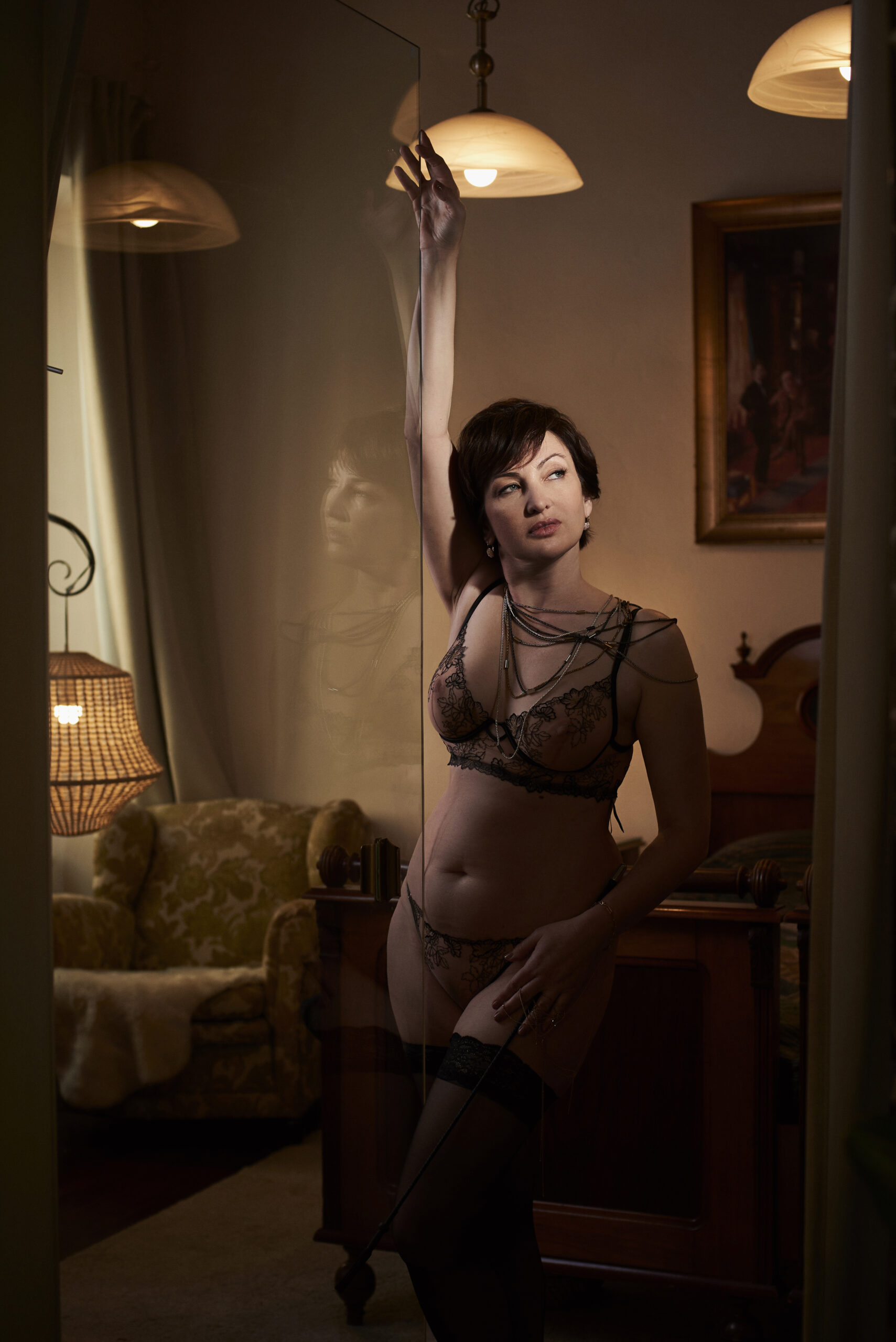
Amanda Gril has worked with portraiture since 2003, but the most revealing part of her practice is not its duration. It is the purpose she gives the camera. In her boudoir work, she is not simply arranging light and pose; she is trying to create a space in which a woman can step outside judgement and recognise herself differently. Amanda calls that process “Visual Therapy.”
I wanted our conversation to move beyond the polished surface associated with the genre. Amanda talks about beginning with self-portraits, becoming absorbed by faces, developing a cinematic style and learning to slow down. The result is an interview about photography, but also about trust, attention and the responsibility that comes with making another person visible.
Find Amanda Gril online
- amandasboudoir.com
- amandas_boudoir
- facebook.com/amandaandboudoir
- linkedin.com/in/amanda-gril
- [email protected]
The interview
Hi Amanda, how long have you been working as a photographer now?
Since 2003.
What inspired you to become a photographer? What were your first steps?
Well, it's a straightforward tale: I found my inspiration in portraiture. Faces captivated me—their expressions, contours, and features. My introduction to photography began with self-portraits; I recall borrowing a friend's camera and being struck by the ease of digital photography. So much so, that within a year of experimenting with this medium, I held my first exhibition featuring portraits. From there, I delved deeper into the psychology behind portraiture, and I've been enamored with it ever since.
Are you a professional or an amateur photographer? Professional. What is your favorite subject to photograph?
People, and if I go more into details, women. That's why lately I can't think about anything else more in depth rather than boudoir photography. It became almost like my obsession. :) Boudoir photography to me means so much more than just photography, actually I call it 'Visual Therapy'. Why? Because I put every woman that comes into my boudoir on pedestal, where she is free of judgement and rules. Where she can be unapologetically herself.
What kit do you shoot with?
I am a Nikon girl. My gear consists of two bodies of Nikon D750 and the following lenses:
- 24-70mm f/2.8
- 50mm f/1.4
- 20mm f/1.4
- 105mm macro
How would you define your photographic style?
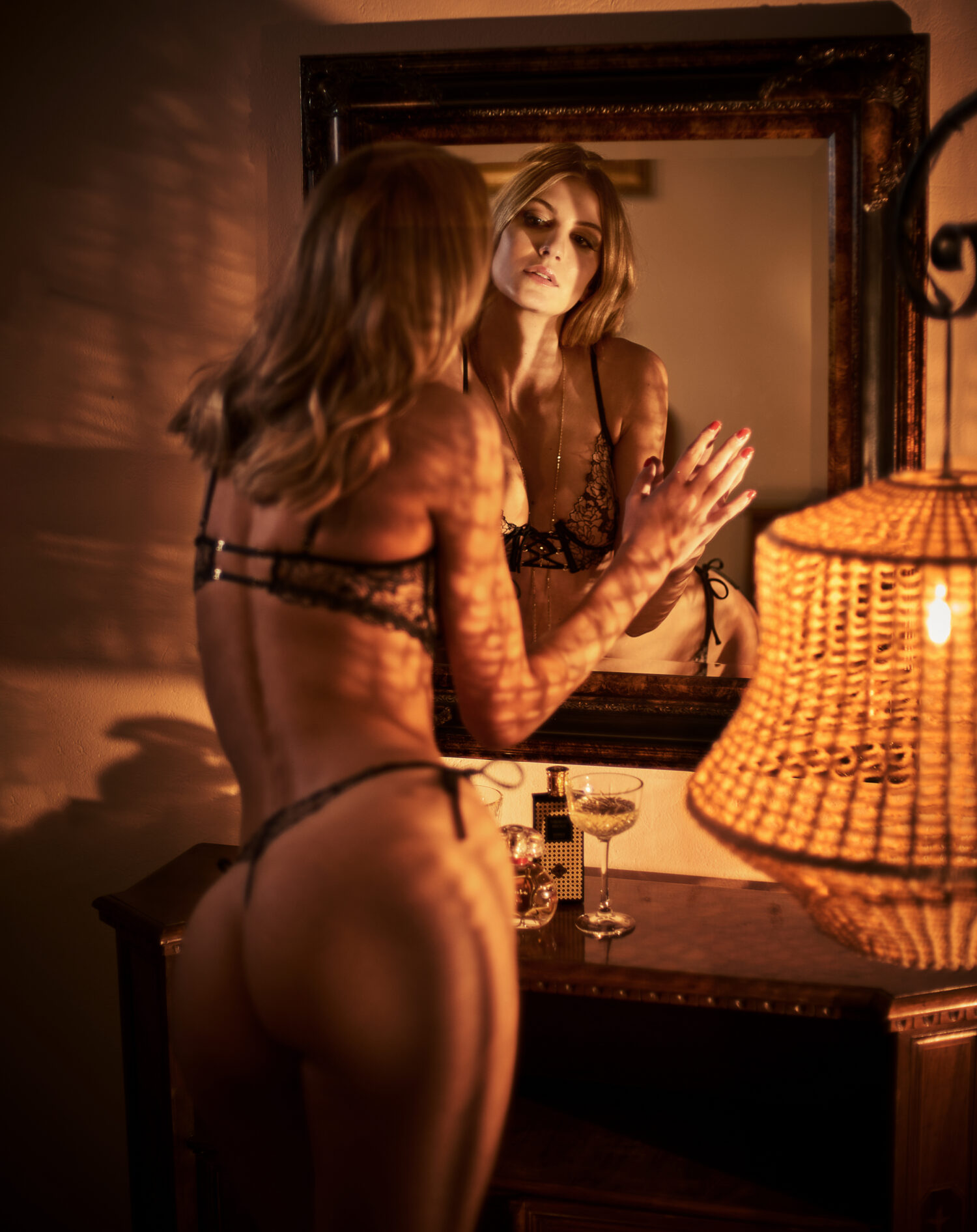
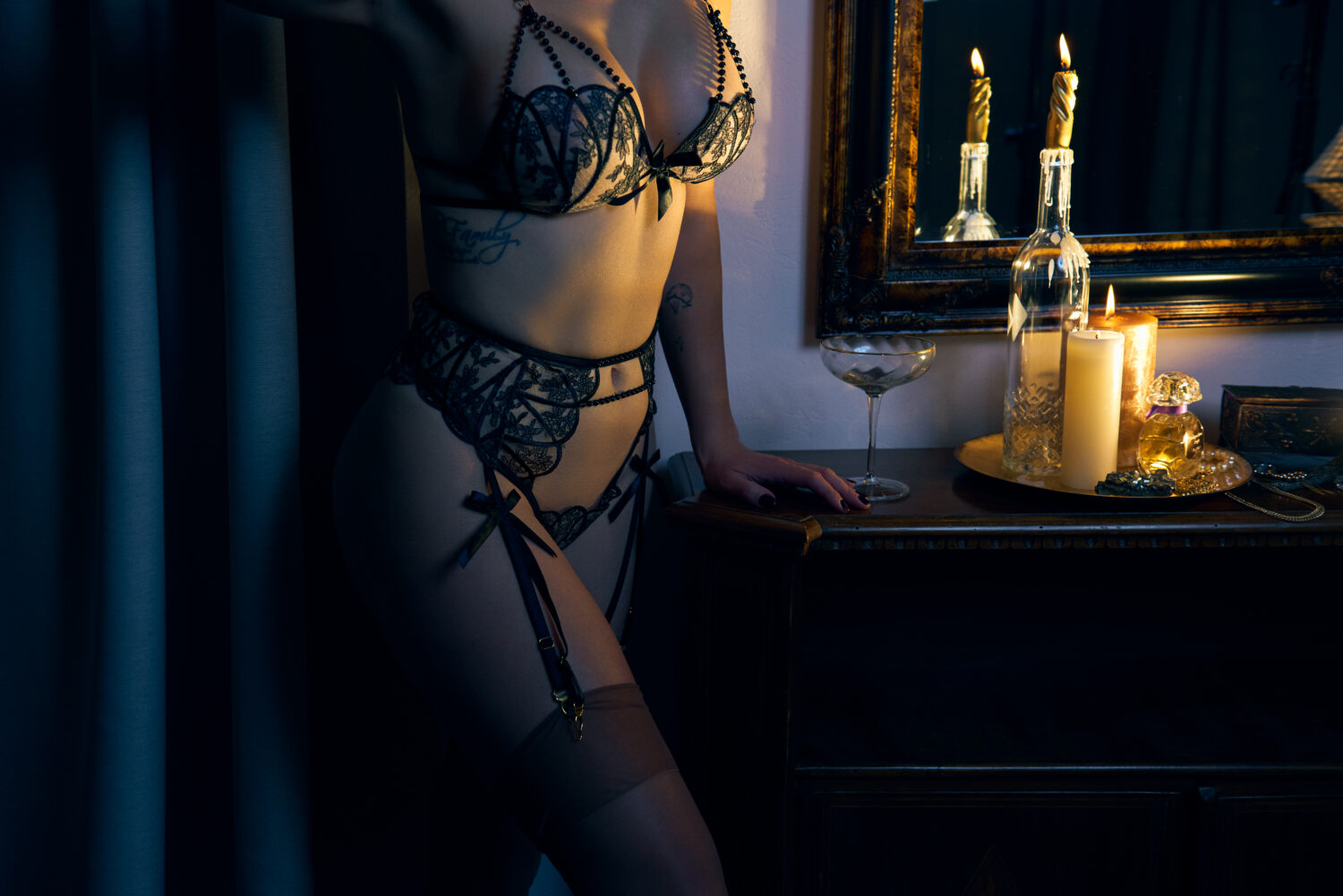
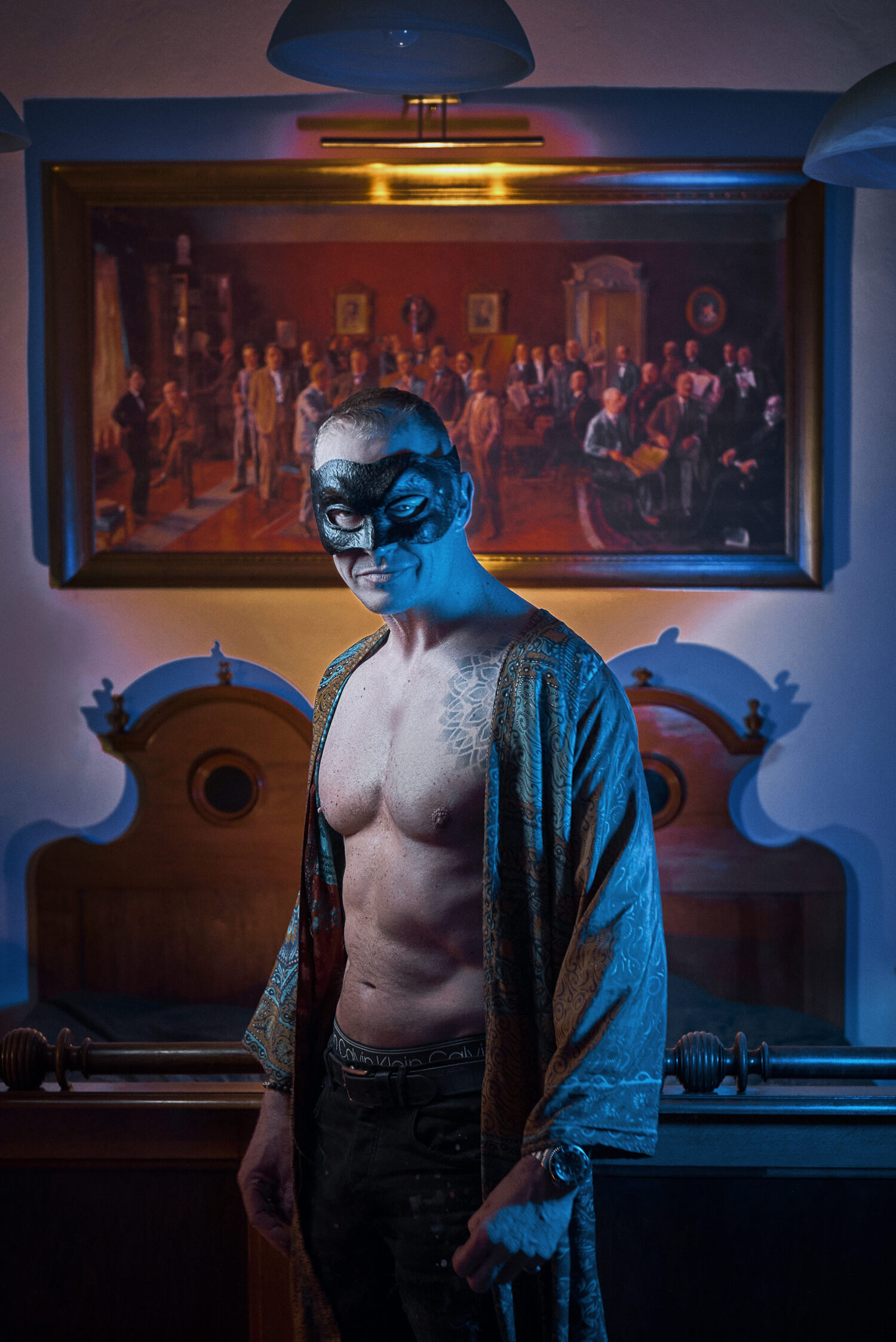
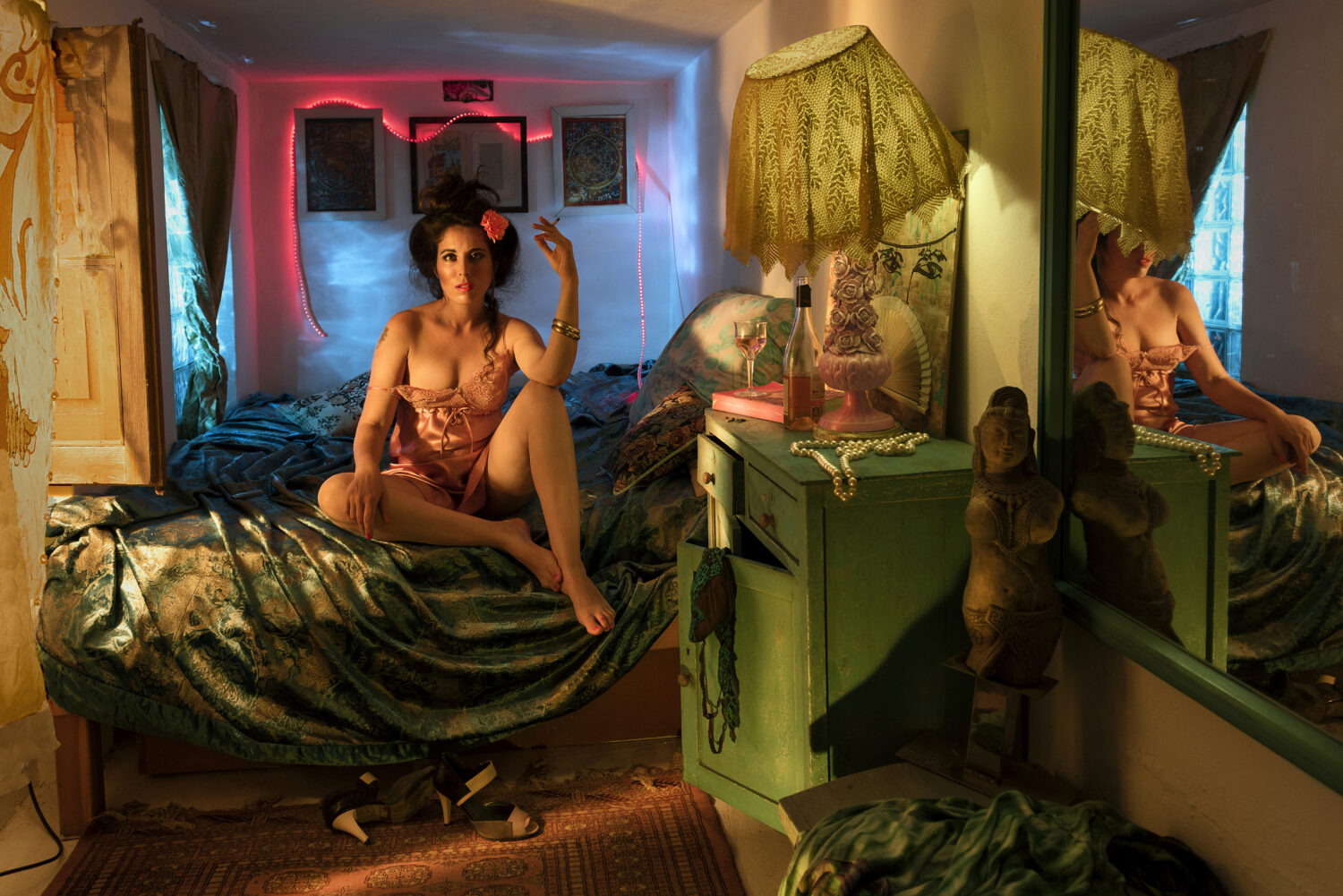
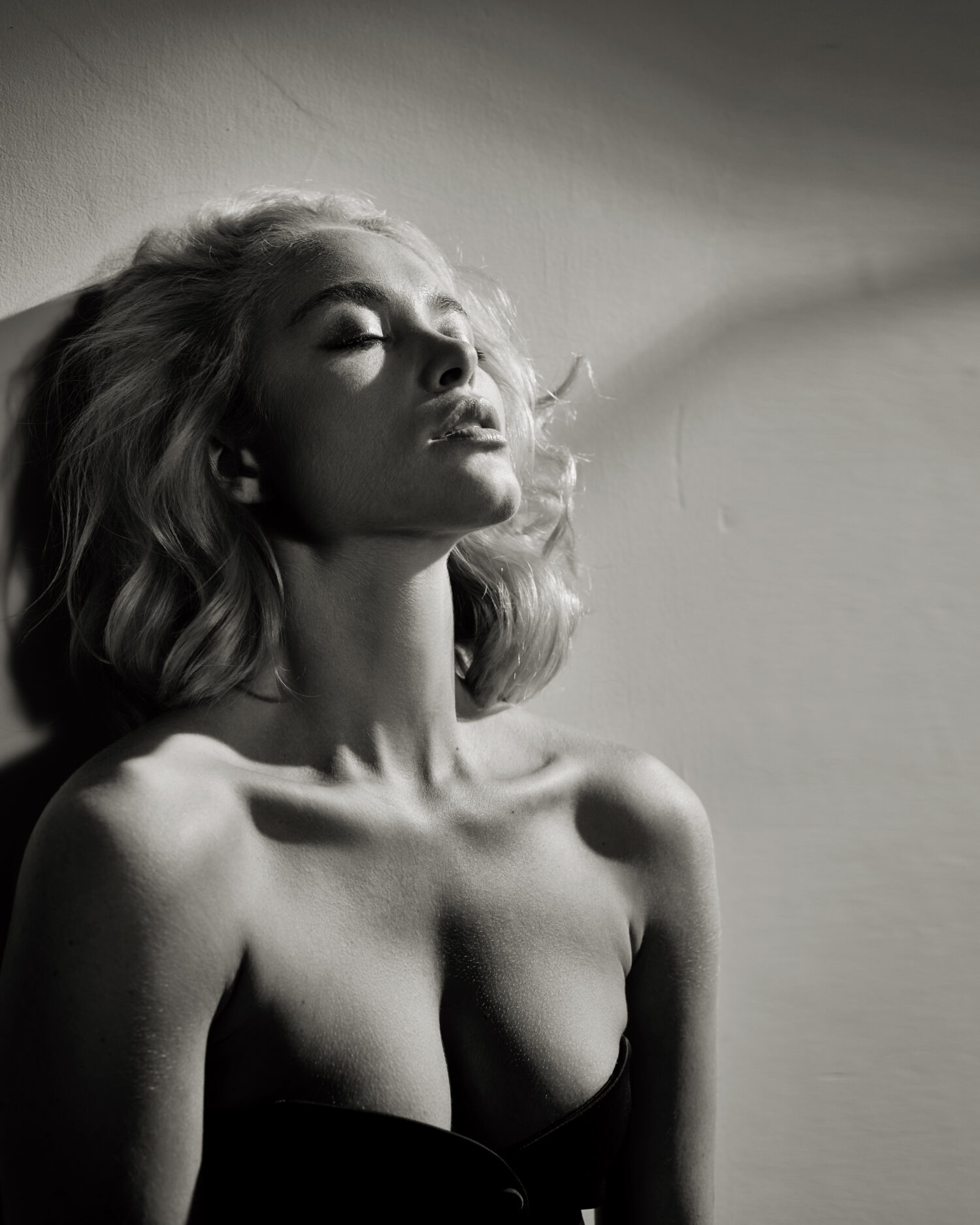
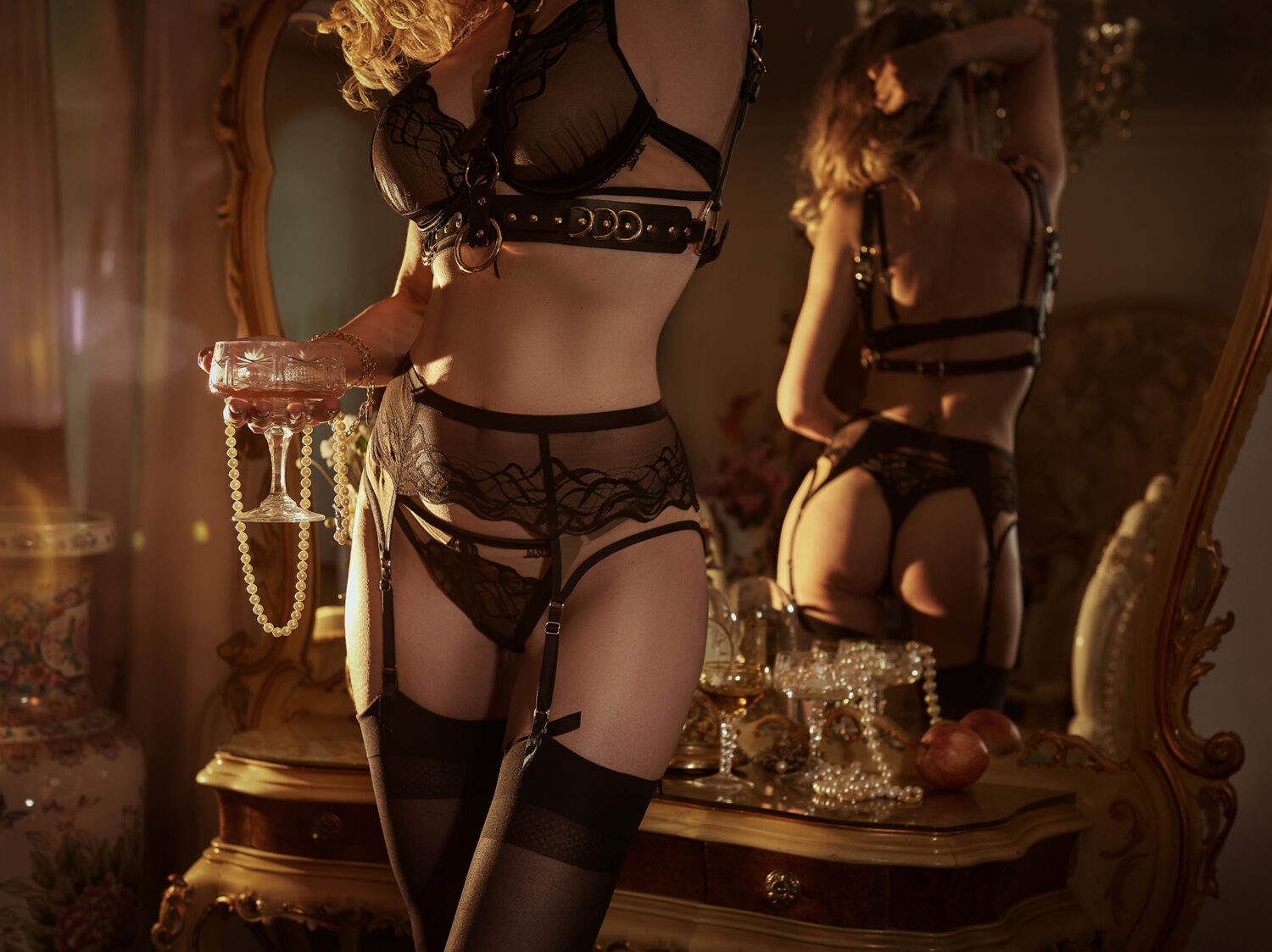
I think of my approach in general as cinematic.
Which editing software do you usually use?
Photoshop and Capture one combined.
John Wanamaker said: Half the money I spend on advertising is wasted; the trouble is, I do not know which half. Do you gain your clients by advertising or in another way?
Mostly by word of mouth, but sometimes I give interviews or advertise on IG.
How does your typical working day look like? What do you do when you are not working? How many hours/days per week are you working? What do you do in your free time?
To start with, I 'work' constantly. When I walk in the park, when I watch movie, when I travel or cook. I consider myself lucky enough to have my work as a playground. I just simply love what I do. My day usually starts with stretching, breakfast and then retouching in front of computer, if I don't have any photoshoots, of course. When I do, is all about that - preparing, contemplating and executing. For example, right now I am preparing a boudoir photoshoot in a boutique hotel in Ljubljana. I already gathered the whole team, prepared the creative part and arrange the whole logistic. In the free time I usually like to shake my body with sports, either hiking, biking, yoga or kitesurfing, depends on the season.
What would you do differently if you would start again?
Nothing major really, maybe I would invest earlier in Masterclasses - there is never enough knowledge, right!?
A professional photographer is also an entrepreneur. Entrepreneurs have many things in common. They read a lot. What about you? What are your favorite books?
Oh I have many! One for example is The Way of the Wizard, from Deepak Chopra, another one I really like is Sapiens by Yuval Noah Harari and the last one is Three Women by Lisa Taddeo. Of course not to mention all the beautiful work from icons like Helmut Newton, Horst, Penn, Ritts, Chanel, ...
What was the best advice you have ever received as a photographer? Do you have any advice for other photographers?
Hmm, I would combine few advices from different creative individuals into this one: 'Sit still and observe.' Observe light. Do not rush, let the world unfold in front of you. I think we need to go back to our silence and observe the world from there.
Top 3 mobile apps on your smartphone
- IG
- Spotify
Top 3 websites?
- fstoppers.com
- fmoviesz.to
- magnumphotos.com
Your last vacation?
Dubai, visiting friends.
Check out the photo gallery by Amanda Gril
What stayed with me
Amanda’s phrase “sit still and observe” is the line I return to after reading the interview. It applies to light, expression and composition, but it also describes the emotional patience portrait photography requires. A person cannot be reduced to a pose and still feel fully present in the finished image.
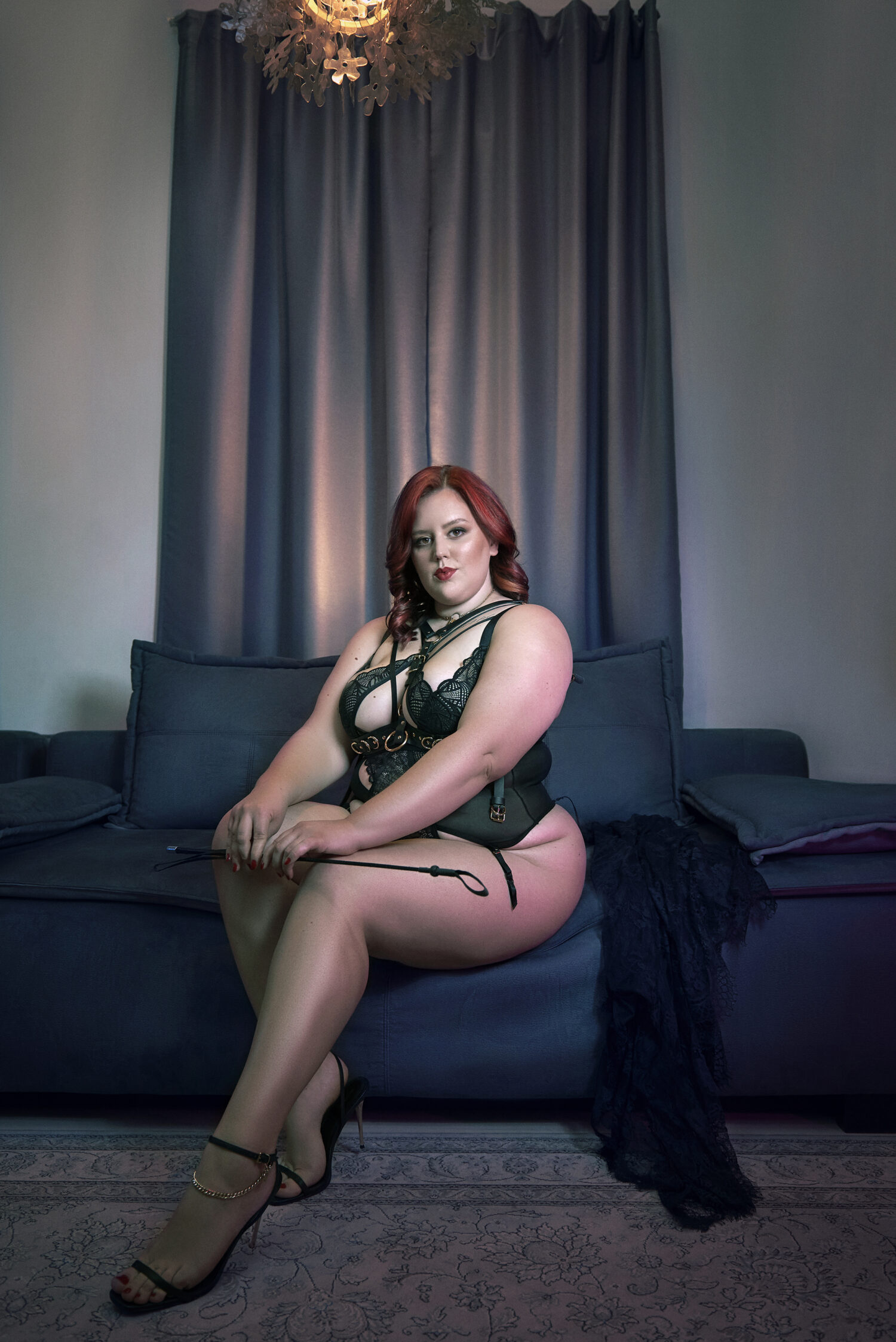
Her idea of visual therapy gives boudoir photography a more demanding standard, and the gallery is where you can check whether the standard holds. The woman on the grey sofa is not arranged to flatter a camera; she is sitting squarely, looking straight down the lens, entirely in charge of the frame. That is a different picture from the genre’s usual soft-focus default, and it is the clearest evidence that the phrase is not marketing.
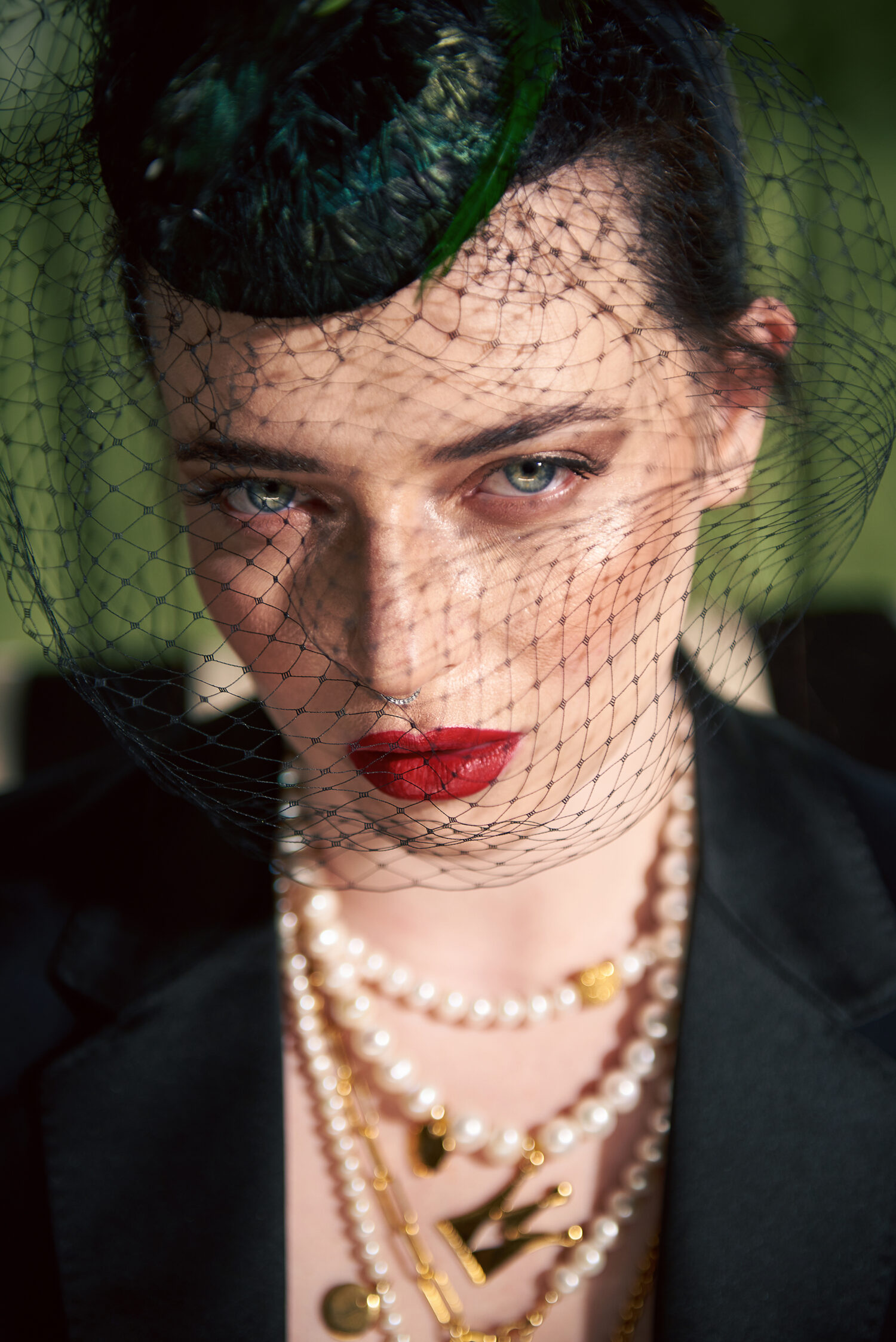
The range is wider than the interview suggests, too. Alongside the lingerie portraits there is a masked man in a silk robe and a cinematic bedroom scene built out of neon, brocade and a stone goddess — closer to set design than to a session. Beauty alone is not enough; the session has to make room for confidence, freedom and self-recognition. The cinematic finish matters, but the human experience underneath it is what gives the work weight.