
When I invited Alexia Liakounakou to talk about her work, I was interested in the breadth of her eye. She moves between the human body, architecture and documentary observation without forcing those subjects into one narrow category. What connects them is attention: the patient habit of looking until a surface, gesture or relationship begins to say more than it did at first glance.
Alexia’s answers are direct about influence, uncertainty and independence. She speaks about the clarity she still finds in her earliest black-and-white photographs, describes her style as artistic and sometimes ethnographic, and returns to a principle that matters well beyond photography: the work has to remain your own, even when other people do not immediately approve of it.
Find Alexia Liakounakou online
The interview
Hi Alexia, how long have you been working as a photographer now?
I was given my first analog camera at the age of 15, and I have been photographing ever since. I have recently been collecting old photographs as well, so I am also a collector and a curator of the Instagram page: @memoriesproject.gr.
What inspired you to become a photographer? What were your first steps?
I admired black-and-white photographs, and I began photographing nude pictures of my closest friends. I still cherish those photos today. They seem to have an originality and clarity that I don’t always see in my work today.
Are you a professional or an amateur photographer?
I would call myself a semi-professional because I have not been able to make a living from the kind of photography I do. I also photograph on a whim. It’s not a job, but an everyday passion for me. It’s also an escape. When I am anxious, tired, or bored, I find that photography is my best creative outlet and a means to make sense of the world.
I have sold a few photos through licensing (Getty), but that is not a steady or suitable income. I have also showcased my work on several websites and magazines and published a photobook in Greece. But these are usually not paid, sadly.
What is your favorite subject to photograph?
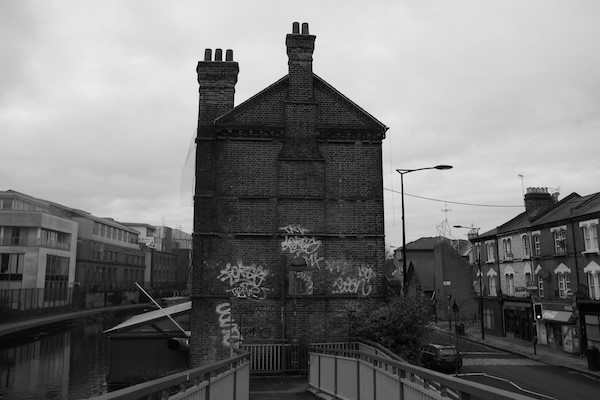
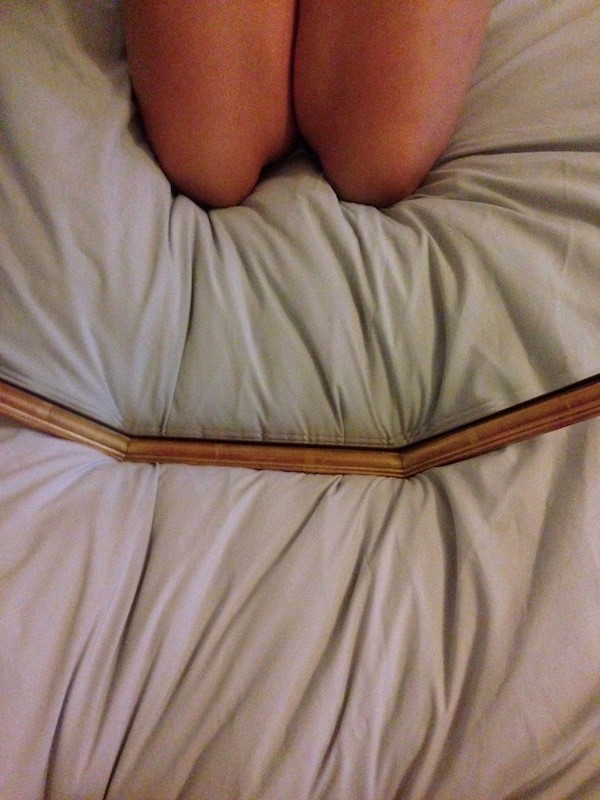
I don’t have one favorite subject, but if I could shoot nudes all the time, I would. I also love shooting buildings.
What kit do you shoot with?
I recently switched from Nikon to Fujifilm. I now have a Fujifilm XT 100. It’s a very light model, and this helps me immensely because I can carry it around everywhere. I also shoot a lot with my iPhone.
How would you define your photographic style?
Artistic and sometimes ethnographic. I consider myself an observer of things, and I observe all the time.
Which editing software do you usually use?
Adobe Lightroom.
A professional photographer is also an entrepreneur. Entrepreneurs have many things in common. They read a lot. What about you? What are your favorite books?
I read literature. I do not consider myself a good entrepreneur! My favorite author at the moment is Roberto Bolaño. I also love Henry Miller. I also read and write anthropological works.
What was the best advice you have ever received as a photographer? Do you have any advice for other photographers?
Do not try to be someone else. Be yourself, even if the work you do is not liked by others.
Top 3 mobile apps on your smartphone?
- Lightroom
- Filca
Your last vacation?
Laos and Thailand.
Alexia’s work
What stayed with me
What stays with me is Alexia’s description of herself as an observer. It sounds modest, but observation is demanding work. It means resisting the urge to repeat a familiar picture and remaining alert to the shape, distance and emotional temperature of what is actually in front of the camera.
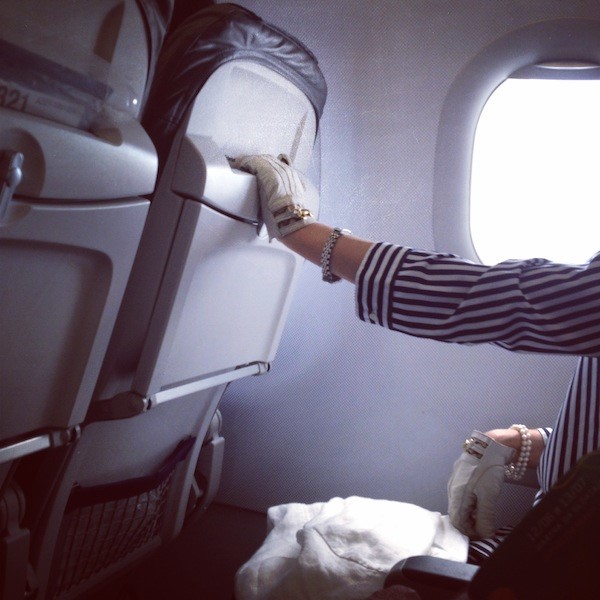
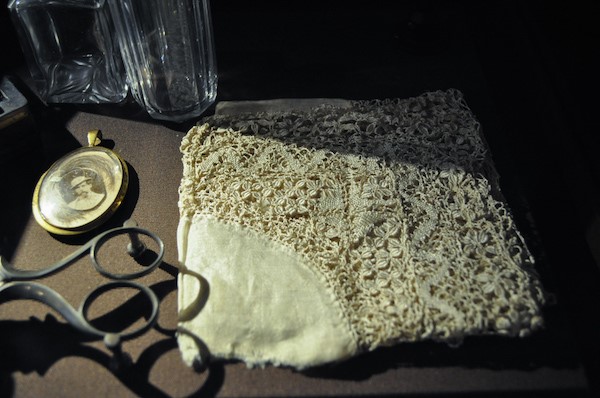
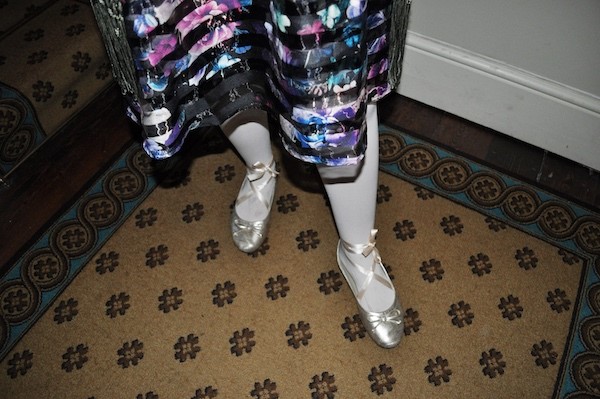
The five photographs here make the point better than the word does. A canal-side brick gable, a body under a sheet, a gloved hand on an aircraft seat, a piece of old lace beside a locket, a pair of silver shoes on a tiled floor: no two share a subject, and all five share the same steady, slightly detached attention.
Her advice about not trying to become somebody else gives the interview its clearest ending. Technique can be learned and taste can be refined, but a photographer’s voice only becomes visible when imitation loosens its grip. Alexia’s photographs and answers make that case quietly and convincingly.