
Monika Baro grew up in Transylvania’s Carpathian Mountains and later built a creative life in Budapest as a photographer, goldsmith and jewellery designer. Nature was her first subject. Photographing people came later as a deliberate challenge, one that taught her how much trust, confidence and personal growth can exist inside a portrait session.
Her work is guided by a simple ambition: find and show beauty without overcomplicating it. That principle is especially important in her nude photography, where shadows reveal less than they conceal and the relationship with the model has to be secure. Our conversation moves between intuition, professional change and the courage to accept unfamiliar assignments.
Find Monika Baro online
The interview
Hi Monika, how long have you been working as a photographer now?
I am a freelance photographer since 2016.
What inspired you to become a photographer? What were your first steps?
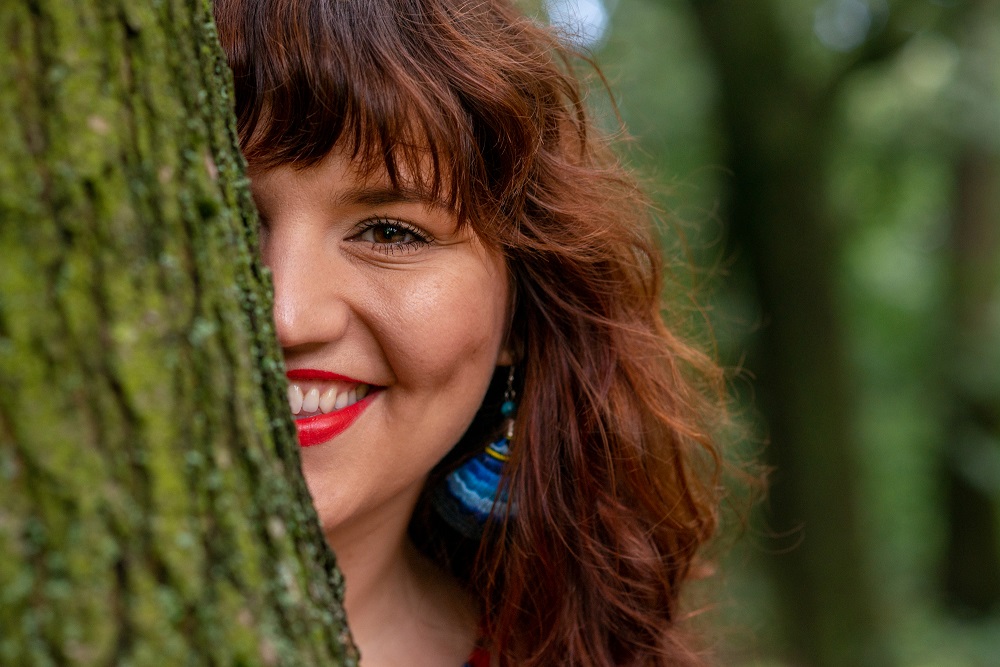
At the beginning, I was inspired by nature, and I was taking photos of landscapes, flowers, and insects. Later, when I moved to Budapest, I wanted to challenge myself, so I started to photograph people. I wanted to test myself to see if I am able to work with people and make them feel at ease in front of the camera. I soon realized that working with people is wonderful and exciting, and it plays an essential role in my personal development, giving me joy, motivation, and satisfaction. I had a mentor at that time, which was very helpful because his encouragement made me feel confident, so I was able to make the decision to quit my job and become a full-time freelance photographer. My goal is to find and show beauty because beauty is everywhere.
Are you a professional or an amateur photographer?
I am a long way behind and still have a long way to go. I think it is hard to draw the line between the terms amateur and professional. I would not call myself a professional, but rather a passionate artist capturing moments in her own way, willing to become better and better day by day. I don’t think I would ever call myself professional. At the end of the day, labeling myself with words is not essential, but the experience I gave people is extremely important.
What is your favorite subject to photograph?
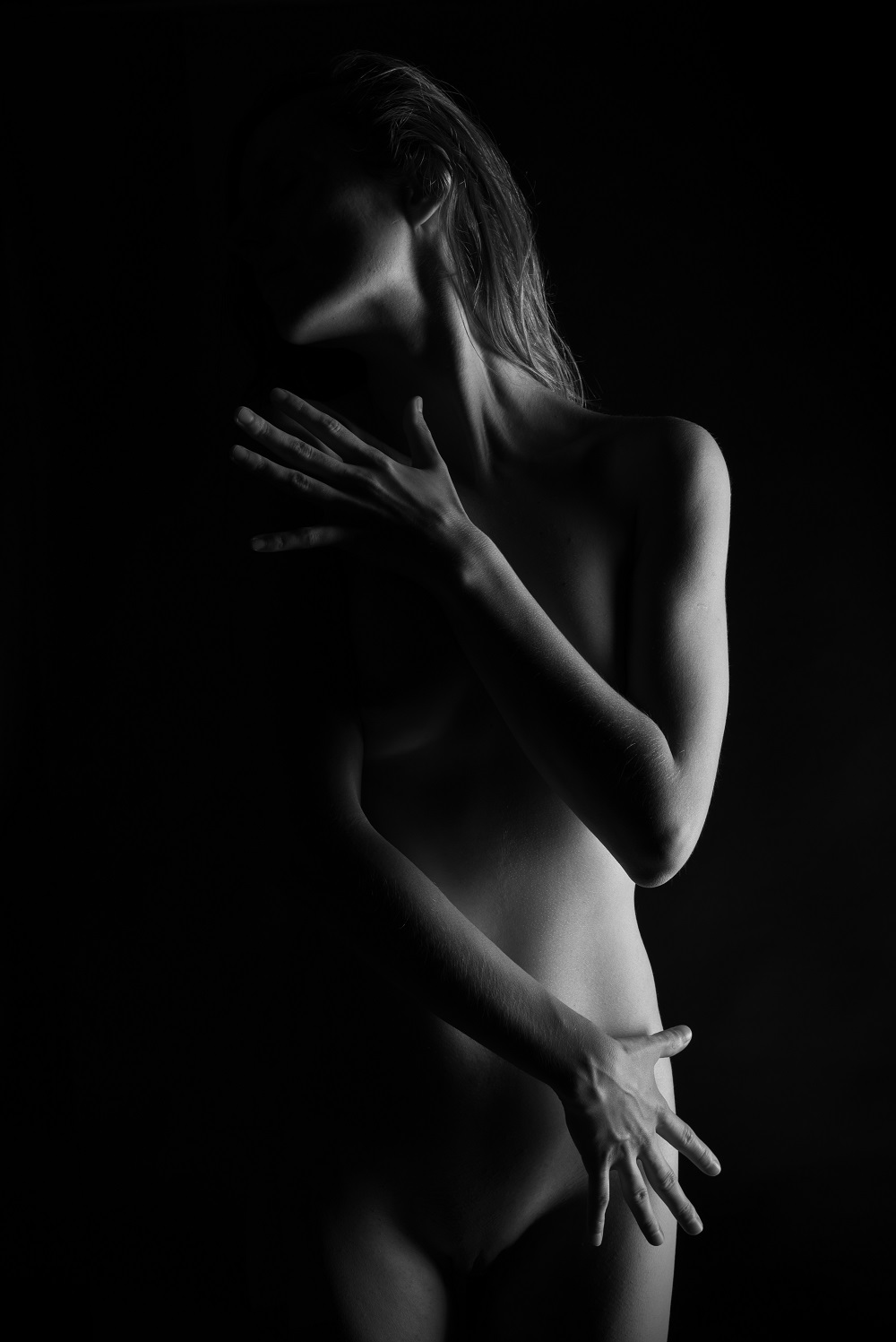
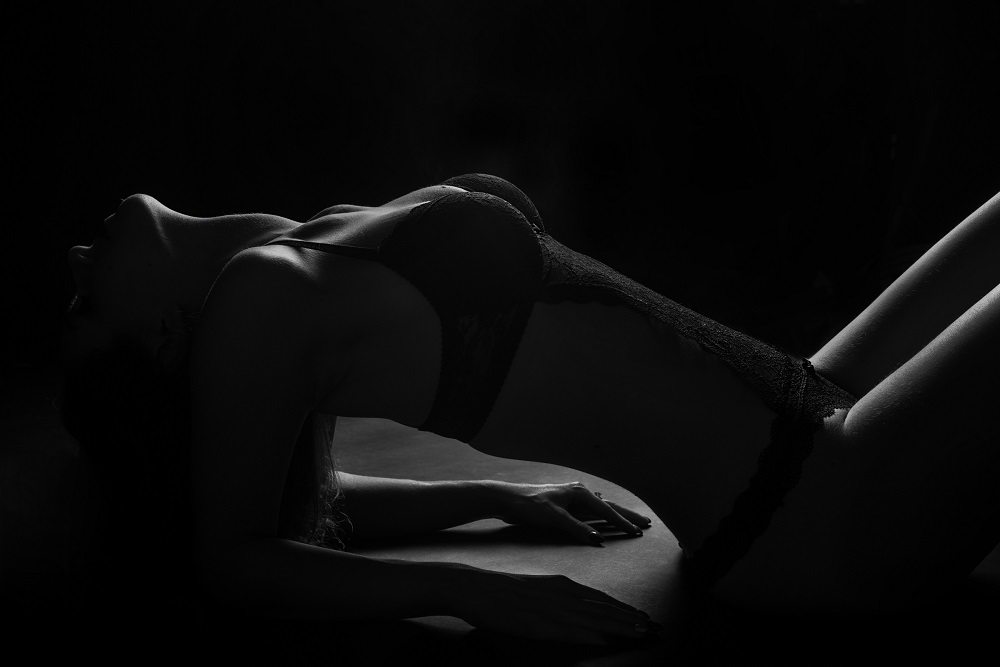
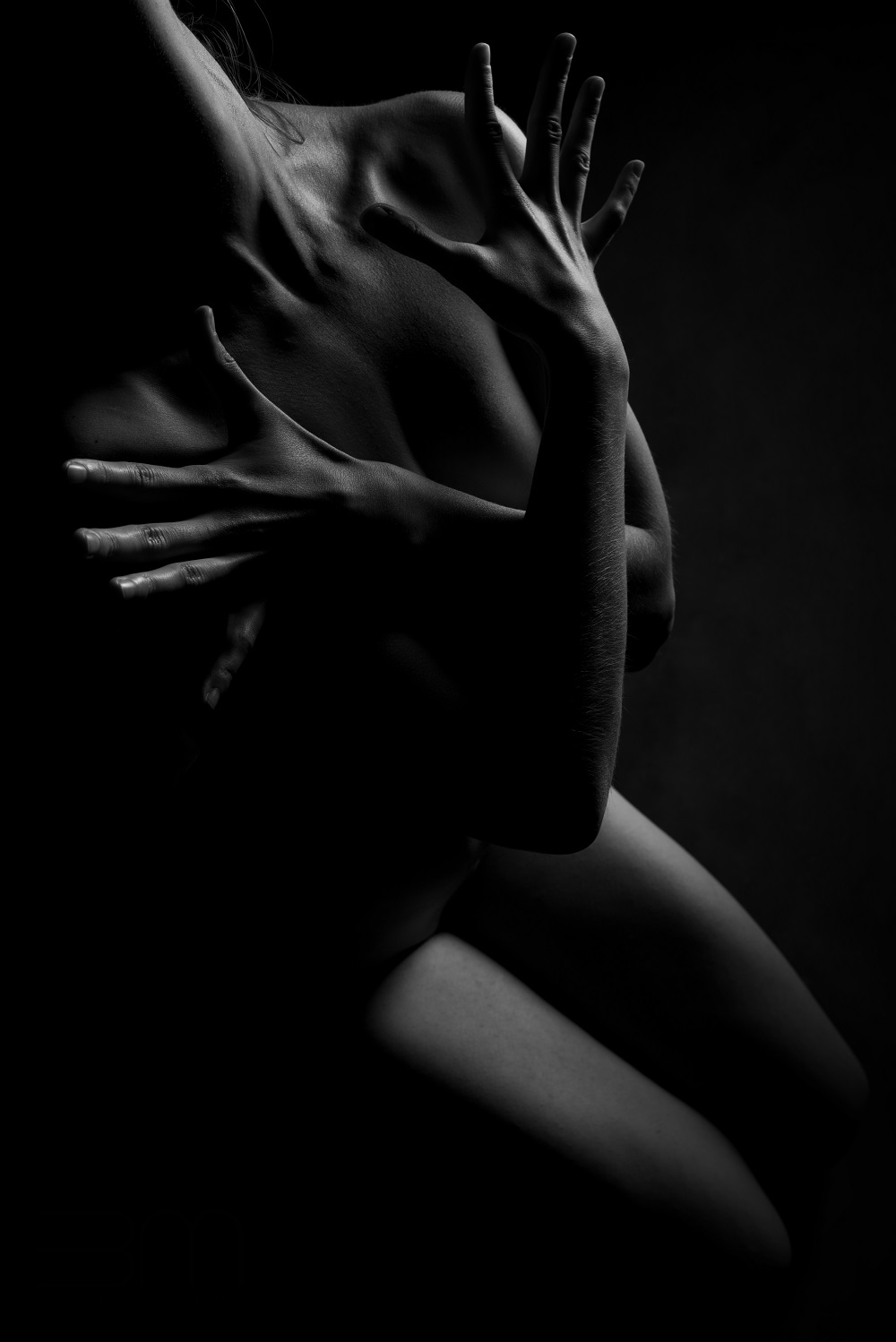
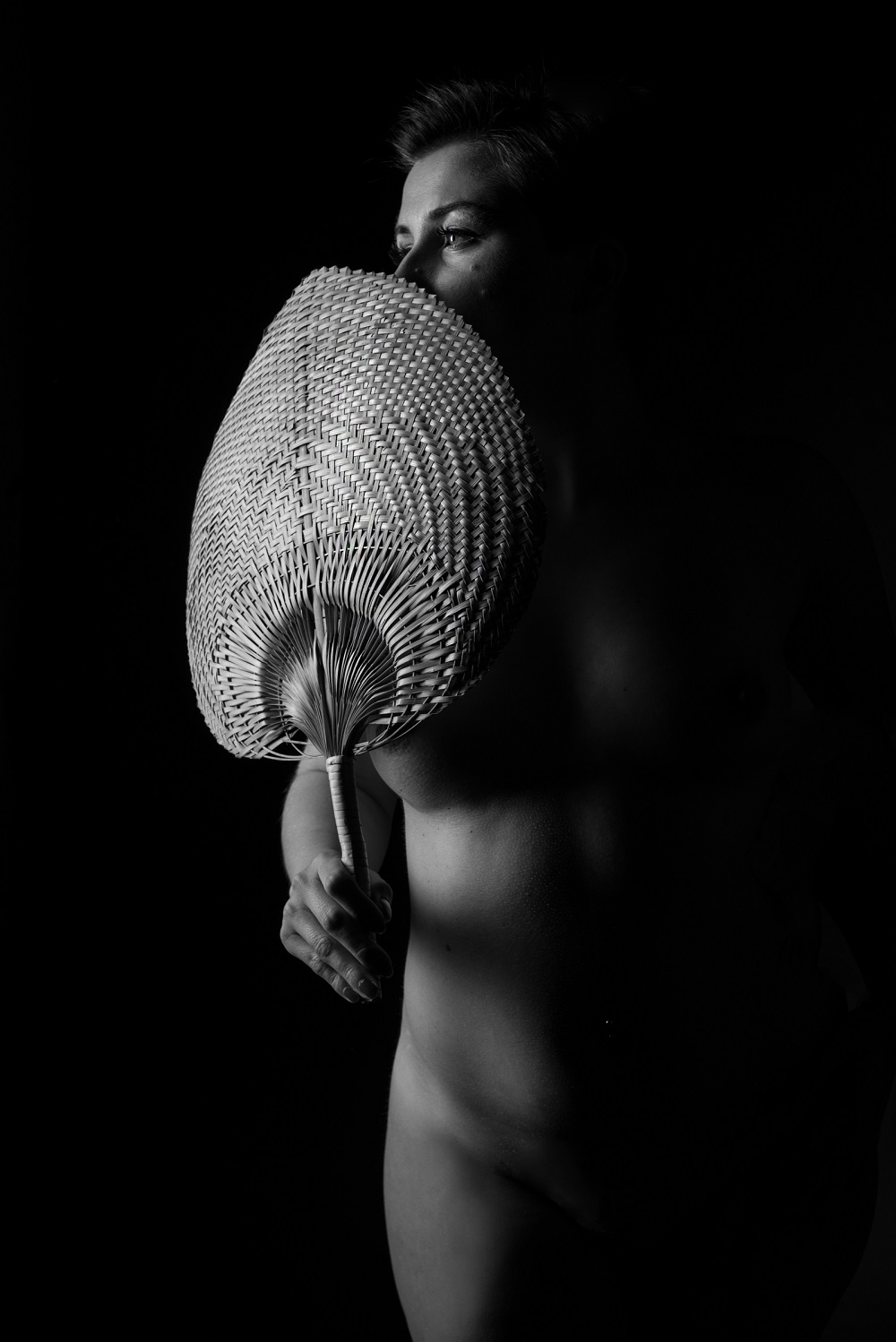
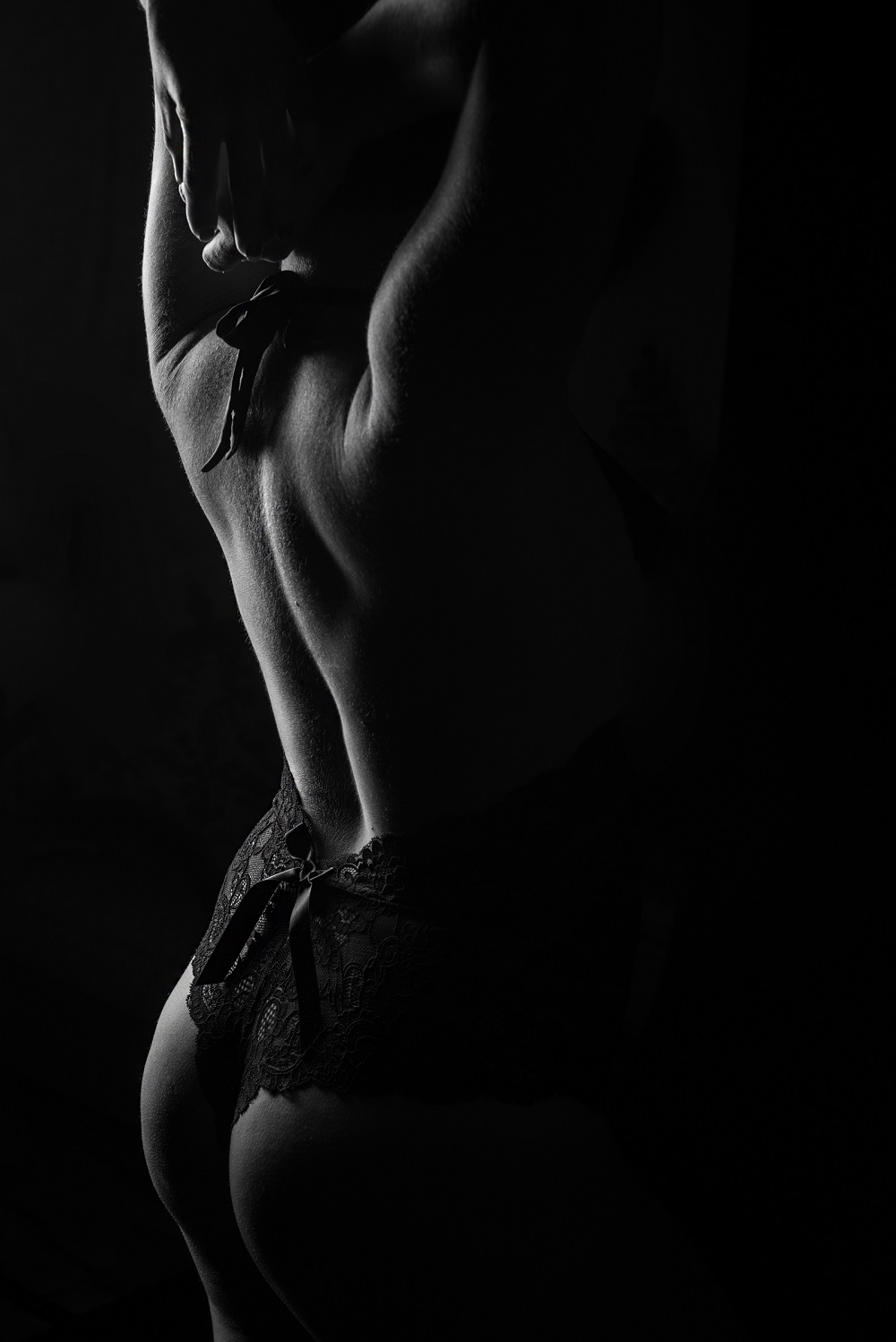
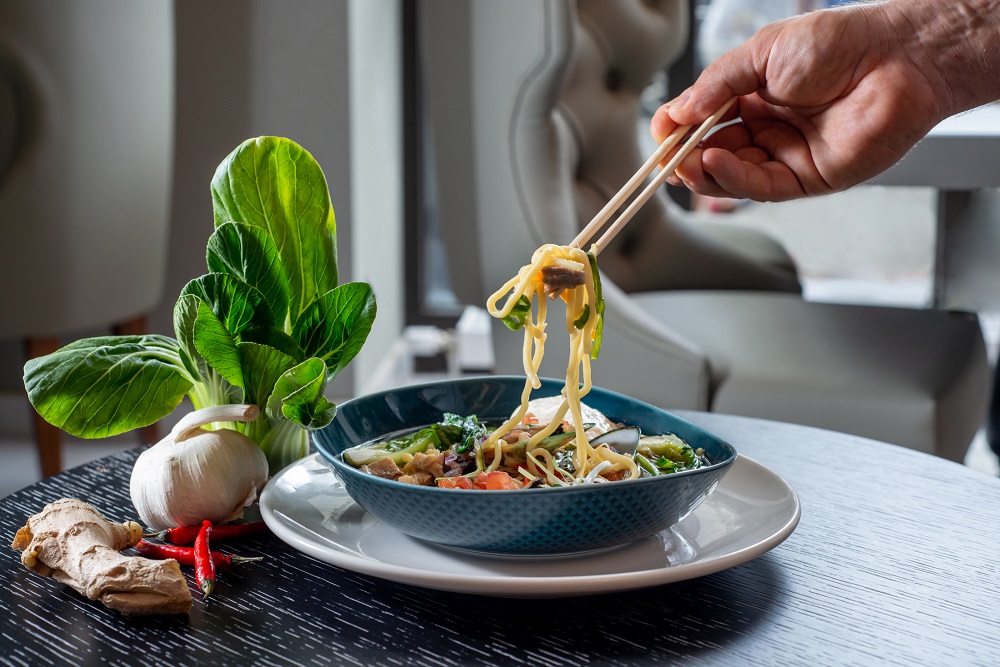
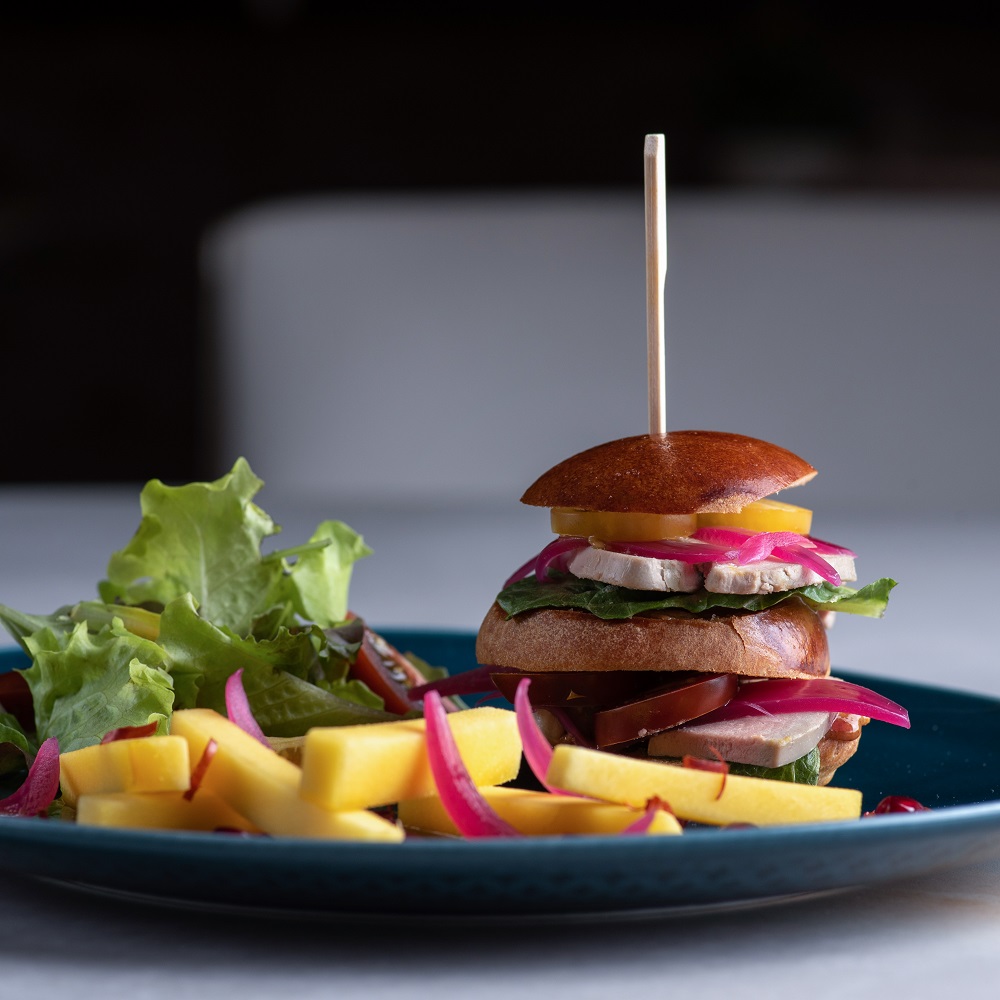
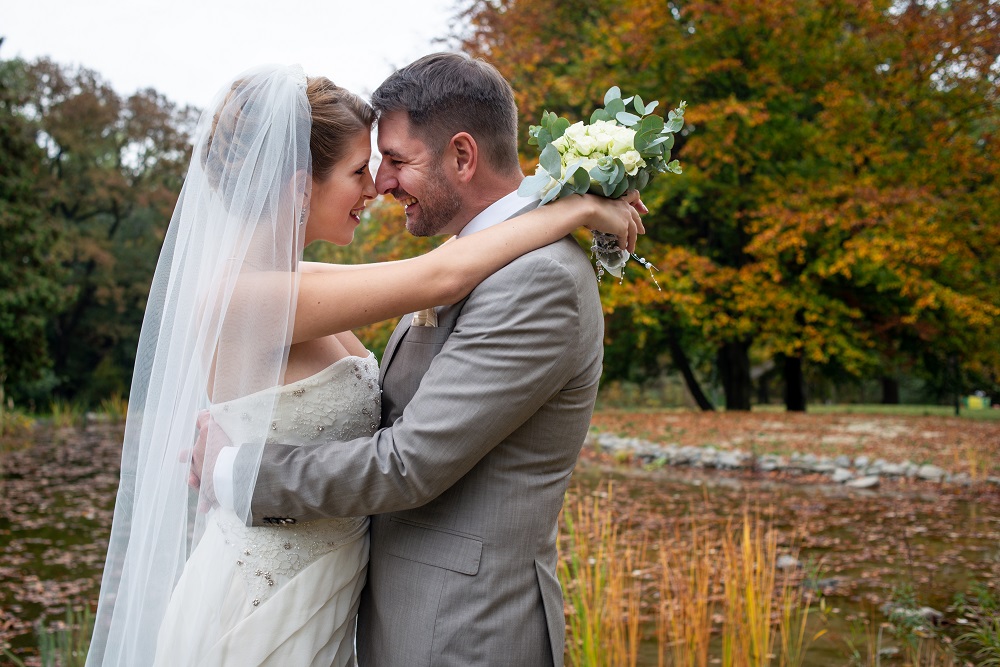
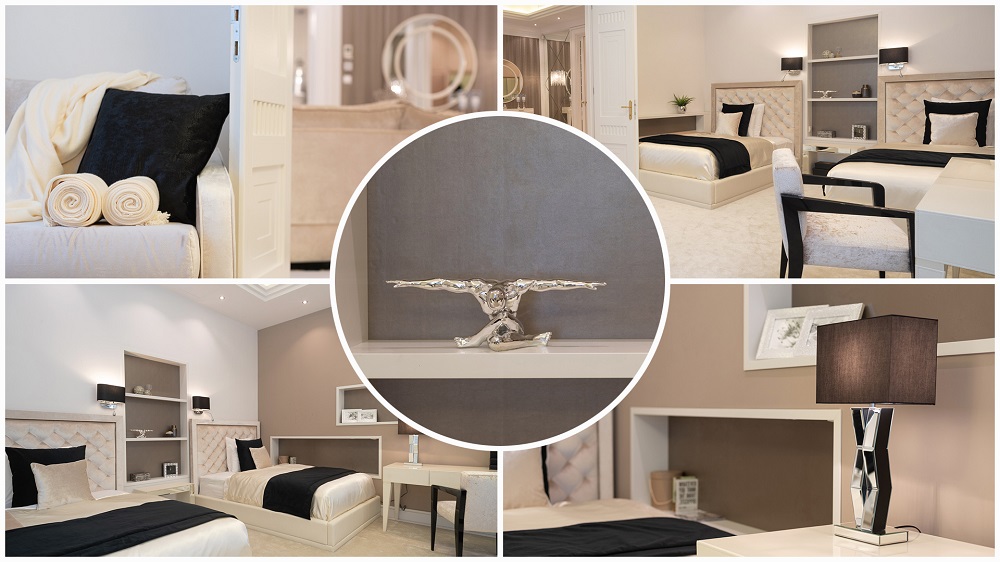
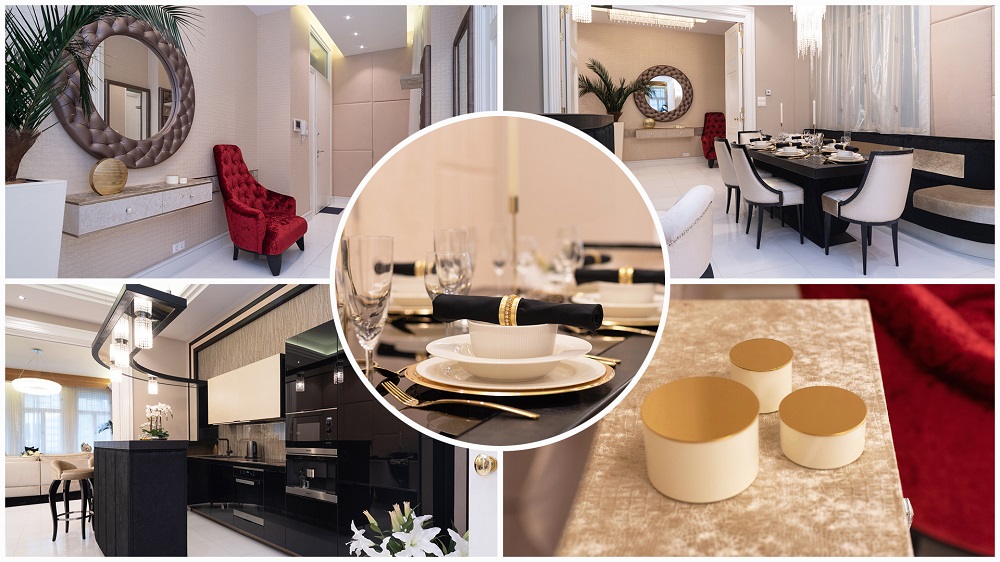
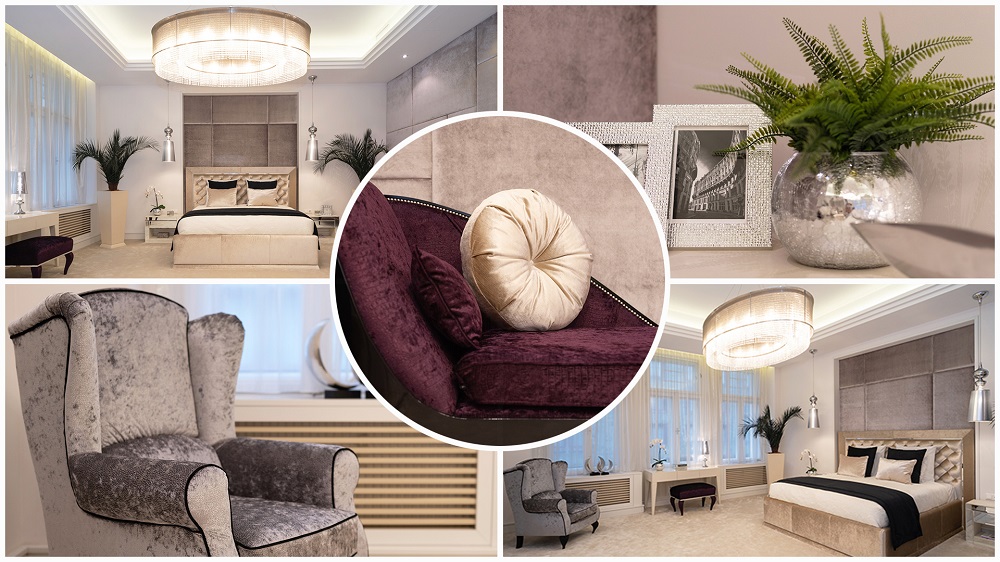
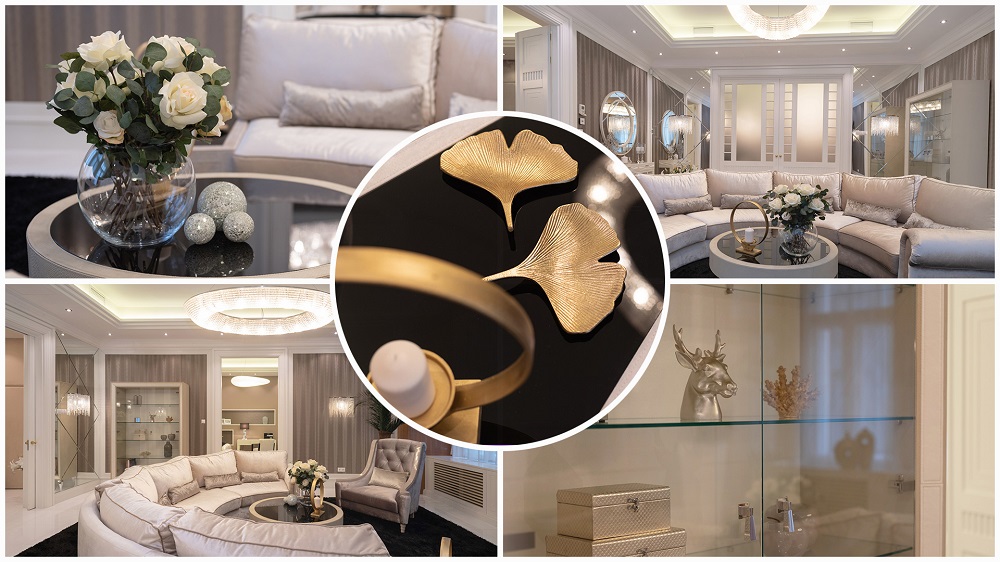
Nude photography is very special for me because it is based on a deep trust between me and my model, it is a great challenge no matter how experienced I am, and it is a good way to show people how wonderful they are. I think less is more, so I never show everything; rather, I hide with shadows to make my photos more expressive. Besides nude photography, I really enjoy photographing food, real estate, and weddings.
What kit do you shoot with?
My newest body is a Nikon D750. For street photography, I use a Fujifilm XF10. Lately I started to experiment with analog as well, so I have a Nikon F100 body and a couple old ones (Praktica Fx and Canon AE-1).
Lenses:
- Tokina 12-24mm f/4
- Nikon 20mm f/2.8
- Nikon 35mm f/1.2
- Nikon 50mm f/1.4
- Nikon 80mm f/1.8
- Tokina Macro 100mm f/2.8
How would you define your photographic style?
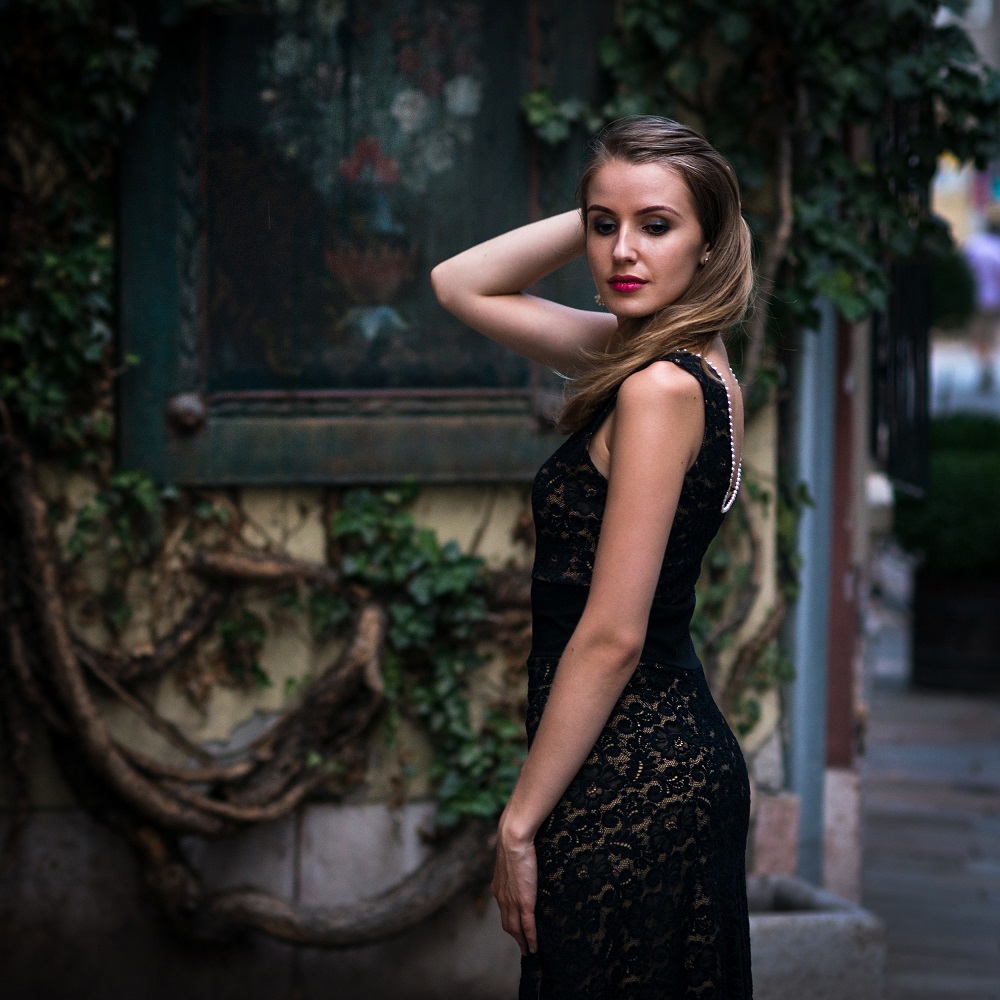
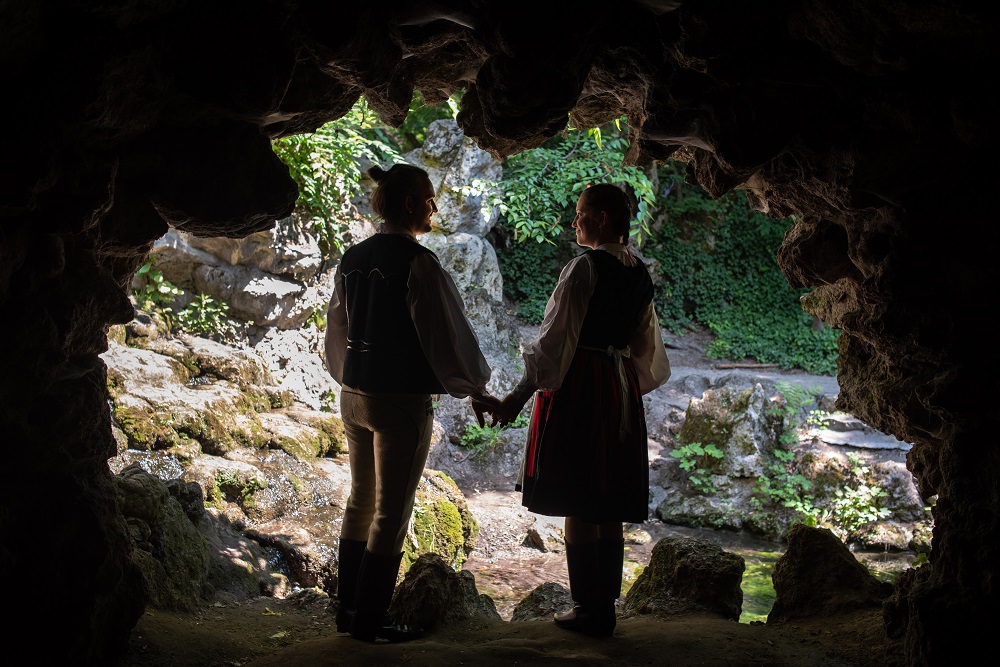
I love to keep things simple and natural. My goal is to capture true emotions and beauty. I would describe my style as simple, natural, sincere, and expressive.
Which editing software do you usually use?
I usually start editing in Lightroom, then do the finishing touches in Photoshop.
John Wanamaker said: Half the money I spend on advertising is wasted; the trouble is, I do not know which half. Do you gain your clients by advertising or in another way?
I think webpages and social media pages are must-haves today for every photographer who wants to make a living from photography, but they are not necessarily the shortest way to new clients. In my experience, the best advertisement is a recommendation from clients. Lots of people find me like this, but being present online also helps me become more popular. Returning clients are indicators of good quality, and they make me very happy.
How does your typical working day look like? What do you do when you are not working? How many hours/days per week are you working? What do you do in your free time?
I cannot separate work from free time, as my profession is my passion. I never call it work. It is more of a way of life. Usually I have photoshoots four or five days a week. When I am not shooting, I am either retouching or getting ready for the next photoshoot. I also spend some time on social media, communication with clients, and accounting. In the rest of my time, I am doing some workout (cycling or qigong), meditation, cooking, walking in nature, watering my plants, and watching inspiring YouTube videos.
What would you do differently if you would start again?
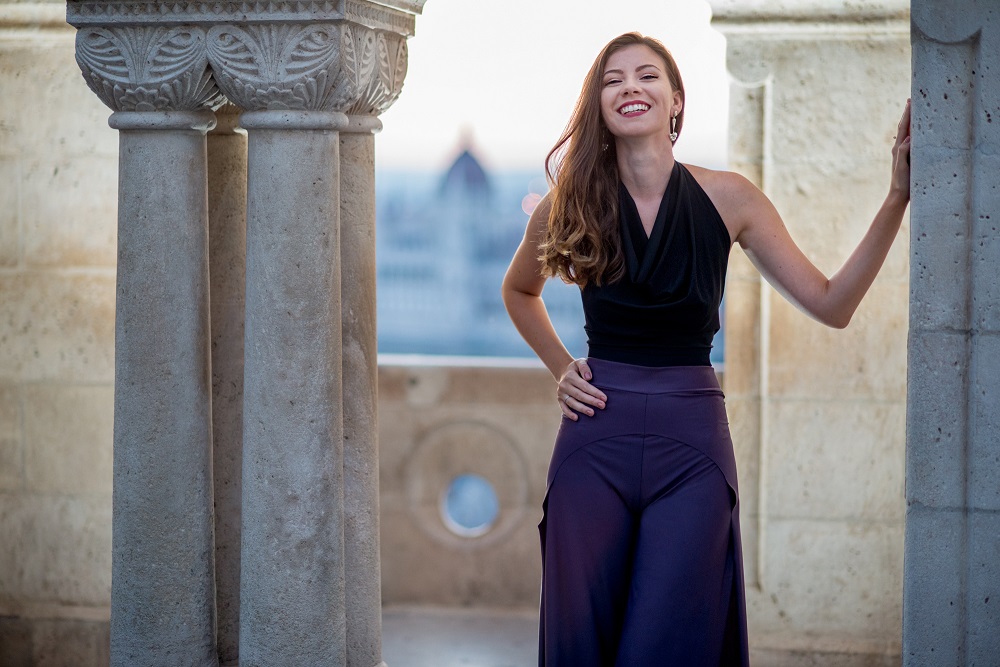
All the experiences that I went through in the past years are part of my journey, and they formed me into the person I am today, so I am grateful for each moment, and I would not change a bit if I started again. Sometimes the greatest suffering turns out to be the foundation stone of something wonderful. Let’s walk with open minds and open hearts! Life is not black and white but full of endless shades of gray, of which I can never get bored.
A professional photographer is also an entrepreneur. Entrepreneurs have many things in common. They read a lot. What about you? What are your favorite books?
- Robert Capa: Slightly Out of Focus
- Jan Němec: A History of Light
- Francesco G. Haghenbeck, The Secret Book of Frida Kahlo
- Anna Gavalda: Someone I Loved; Life, Only Better
- Sándor Dallos: A nap szerelmese (Lover of the Sun), Aranyecset (Golden Brush)
- Béla Hamvas, Babérligetkönyv
I also love to read poems.
What was the best advice you have ever received as a photographer? Do you have any advice for other photographers?
The best advice I ever received was to not be afraid and to accept the challenges. I would advise other photographers (especially the ones who are just starting out) to not overthink and go with their gut. You can easily lose gorgeous moments by trying to make a decision instead of taking a photo. Trust your intuition, grab your camera, and shoot whenever you feel like it. Afterwards, you can sort out the photos and discard the ones you don’t like. I would also advise taking your time and knowing your gear inside and out so you can operate without much thought. Do not spend a fortune on equipment. Start small, then gradually buy new stuff when you know what you really need.
Top 3 mobile apps on your smartphone?
- Telegram
- YouTube
Top 3 websites?
Your last vacation?
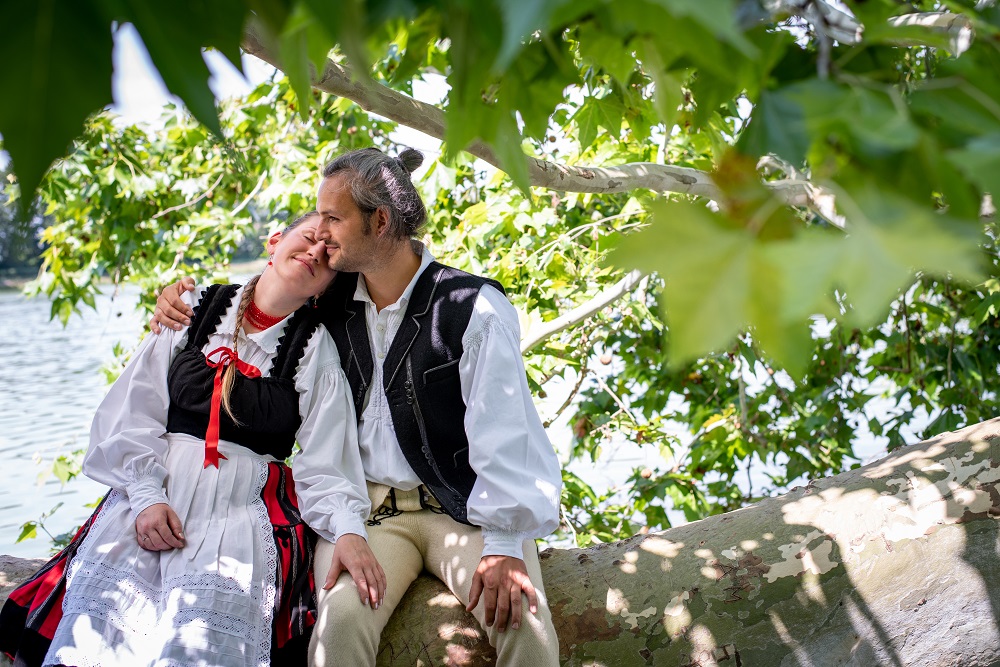
On the 15th of March, I visited a wonderful little lake close to Budapest, and I spent one day by the lake enjoying nature together with my partner.
Photo gallery by Monika Baro
What stayed with me
Monika’s emphasis on trust is what gives her portraits their quiet force. Technical control matters, but the person in front of the lens also has to feel safe enough to stop performing. Simplicity then becomes more than an aesthetic; it is a way of leaving space for genuine emotion.
Her practical advice is generous and realistic: do not overthink every frame, learn the equipment thoroughly and buy only when a real need becomes clear. The camera should support intuition, not interrupt it.