
I first noticed in Alja Polajžer’s work the feeling of someone using a camera to hold on to experience rather than simply collect attractive views. She photographs landscapes, cities, nature and people, often while travelling, and describes the process as a mixture of seeing and capturing. That distinction is small but important: the photograph begins before the shutter, in the way a place is noticed.
Our conversation follows the practical path that helped her move beyond automatic settings: a university course, encouragement from her parents and the first camera she could call her own. Her story is also a useful answer to the idea that equipment creates commitment. Curiosity came first; the camera gave it somewhere to go.
Find Alja Polajžer online
The interview
Hi Alja, how long have you been working as a photographer now?
I got really interested in photography in 2014. I didn’t take the extra step of being behind the camera until then, but I was always interested in photography in the sense of looking at exhibitions, National Geographic, and so on. If we went for a walk to the central Tivoli Park, a stop at the photo exhibition at the promenade was always a must.
What inspired you to become a photographer? What were your first steps?
What really pushed me to take the next step was actually a photography course we had at the university. It was held by Arne Hodalič, the well-known Slovenian photographer, who really dived into all the technicalities of photography, compositions, playing with light, etc. There, I learned to see photography from a different angle and what manual settings and cameras can do. From there, I developed a passion for it but didn’t have the equipment at first—student budget and all. Fortunately, my parents noticed my interest and wanted me to pursue it, so for a special occasion, they bought me my first camera, which I still have today.
Are you a professional or an amateur photographer?
I would rather describe it as a non-professional photographer. But of course, I still have, and always will have, a lot more to learn.
What is your favorite subject to photograph?
I am mostly focusing on landscape photography, but I have a whole mix of it, from city to nature and people.
What kit do you shoot with?
I shoot with a Nikon D5100. Until 2017, I had the original NIKKOR 18-55 mm lens, but I saw that it wasn’t quite appropriate for my needs, so I made an upgrade to the NIKKOR 18-140 mm lens.
How would you define your photographic style?
I would describe it as capturing my experiences. I mostly shoot when I go traveling, and I find that I am always looking at something from the perspective of a camera. So it’s a mix between seeing and capturing.
Which editing software do you usually use?
I mostly just use Adobe Lightroom. I still try to keep the editing to a minimum as much as possible. But when there is a need for an extra fix or I want to give it an extra twist, I also use Adobe Photoshop.
John Wanamaker said: Half the money I spend on advertising is wasted; the trouble is, I do not know which half. Do you gain your clients by advertising or in another way?
Since I am a hobby photographer, I really do get followers by word-of-mouth or organic posts on my Instagram account. I do think that getting the job should be preceded by a good recommendation, followed by other forms of promoting your work (boosting posts on social media, etc.).
How does your typical working day look like? What do you do when you are not working? How many hours/days per week are you working? What do you do in your free time?
Waking up early and having breakfast and coffee are definitely the first steps. In my full-time job, I always seek new challenges and learn something new every day, as cliché as that sounds. But when I’m not working, I meet with my friends, love to go on a trip (of course with my camera), go hiking or climbing (mostly during the warmer season), and am also a binge-watcher and enjoy playing board or video games. And I go traveling as often as possible.
What would you do differently if you would start again?
I wish I had taken the opportunity to dive into it earlier and not hesitated so much in buying the camera. It is definitely worth having.
A professional photographer is also an entrepreneur. Entrepreneurs have many things in common. They read a lot. What about you? What are your favorite books?
I know that it’s an unpopular opinion, but I really am more of a movie person. I mostly read articles for work, but when I’m on vacation, I do like to have a reset and read books. I think that up until now, Dan Brown’s books were the ones I read most quickly and eagerly, but I do have J. R. R. Tolkien on my list for this year’s read.
What was the best advice you have ever received as a photographer? Do you have any advice for other photographers?
Don’t do it in auto mode; learn the basics. What is shutter speed, why is light important and how to use it, composition, and so on? Practice a lot, even if it means missing a moment. You’ll learn from it and definitely remember it for the next time. Moreover, the equipment isn’t everything. You can do great with less and less with great.
Top 3 mobile apps on your smartphone?
- Messenger
- Calendar
Top 3 websites?
- IMDB
- Youtube
- Canva
Your last vacation?
Normandy and Paris. I would definitely recommend it.
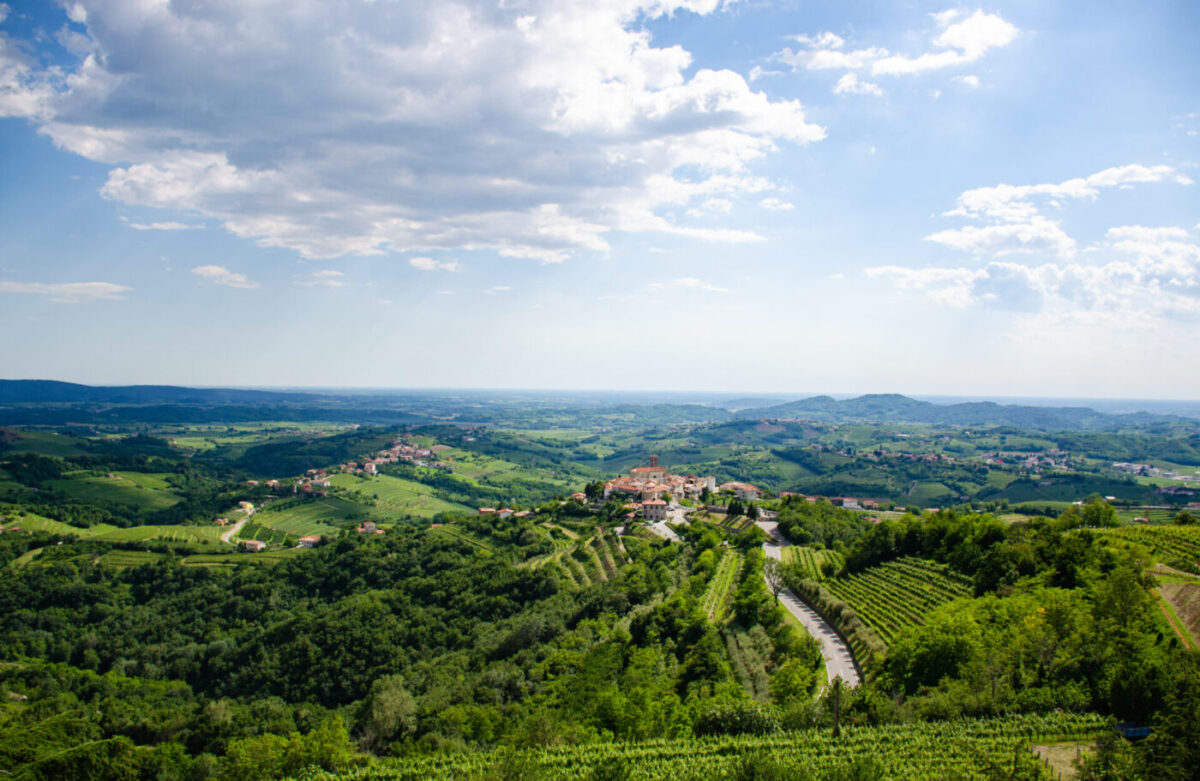
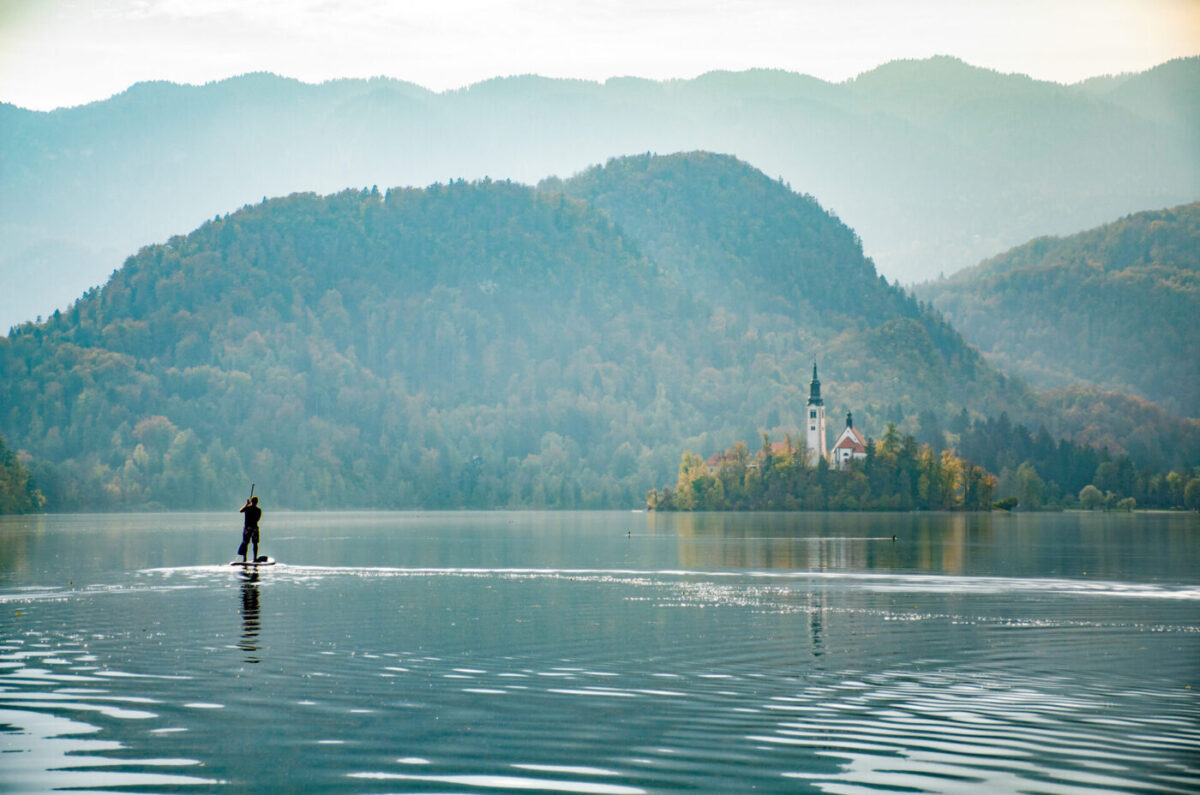
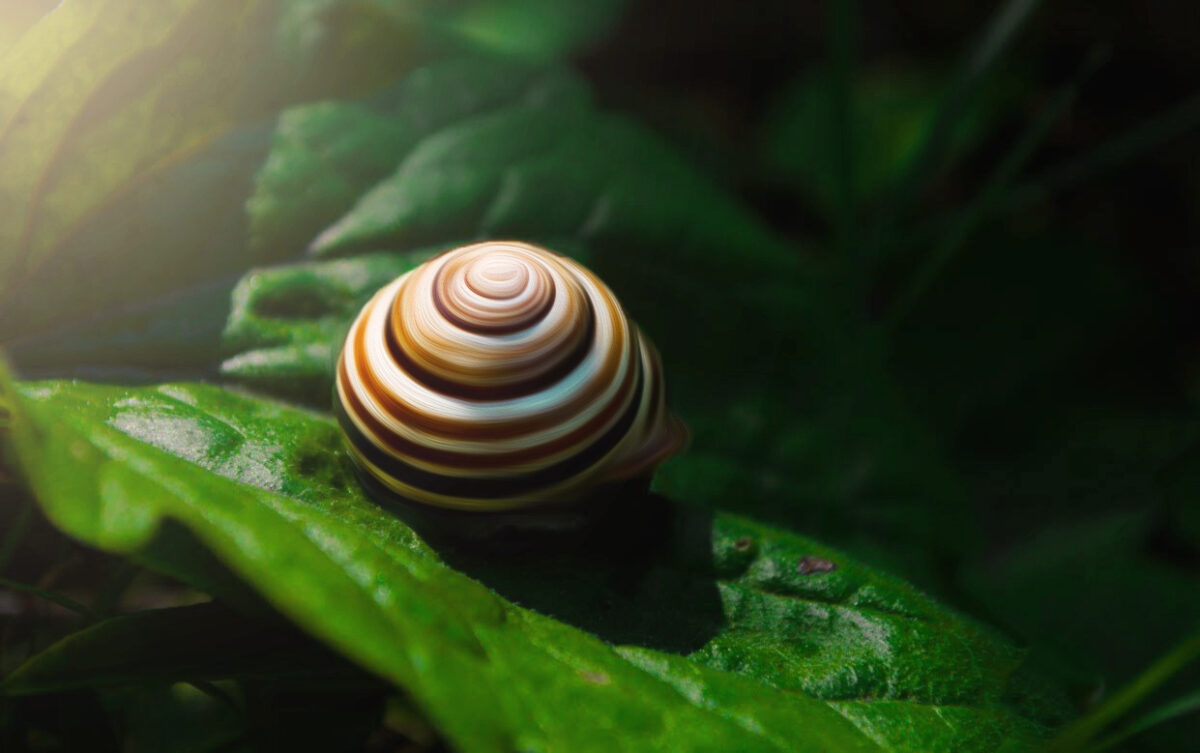
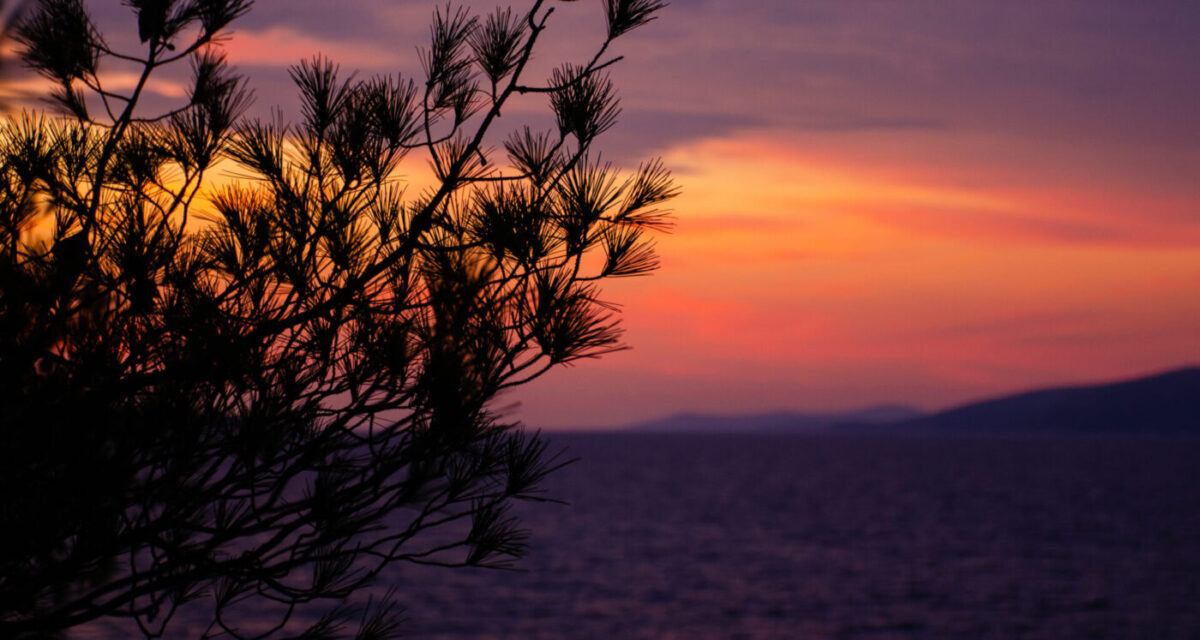
Explore the photo gallery from Alja Polajžer
What stayed with me
Alja’s most useful point is also one of the simplest: learn what the controls actually do, then practise enough for those decisions to become instinctive. Missing a moment while learning is not failure. It is often the price of being ready for the next one.
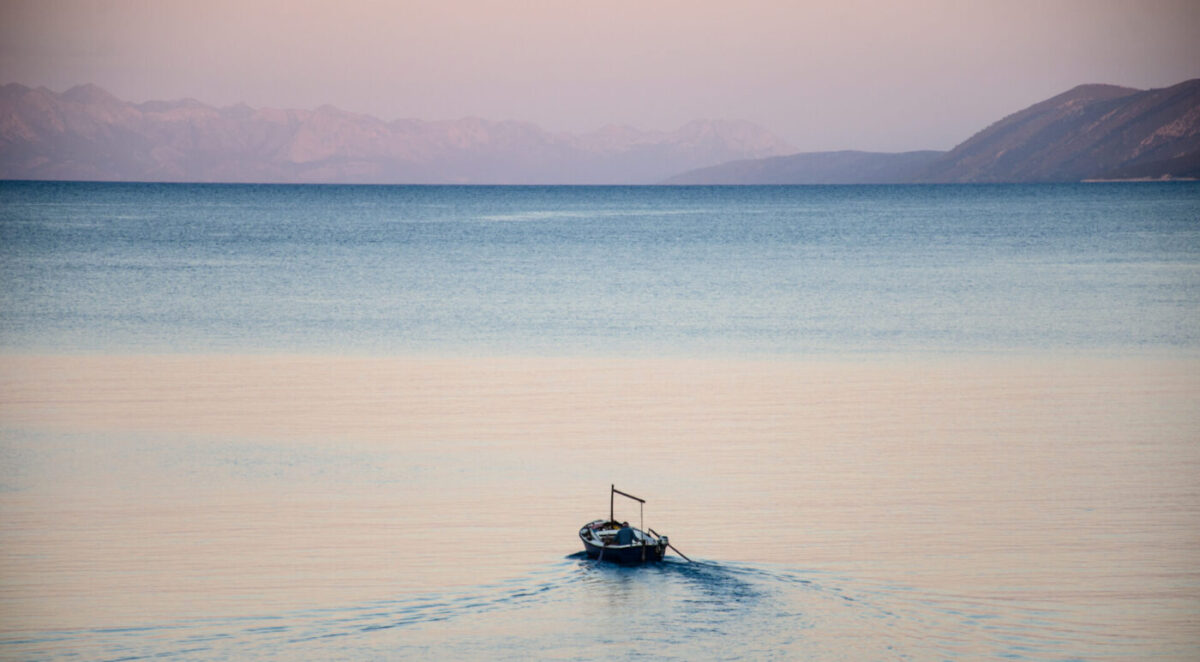
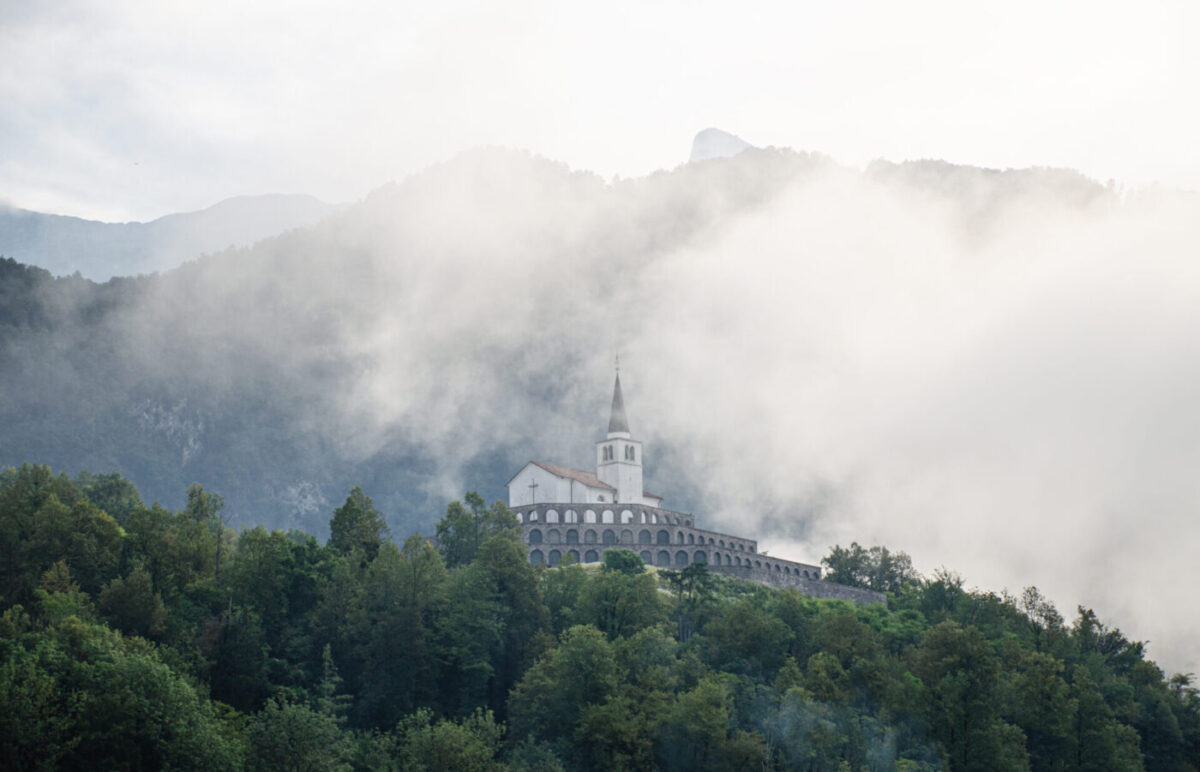
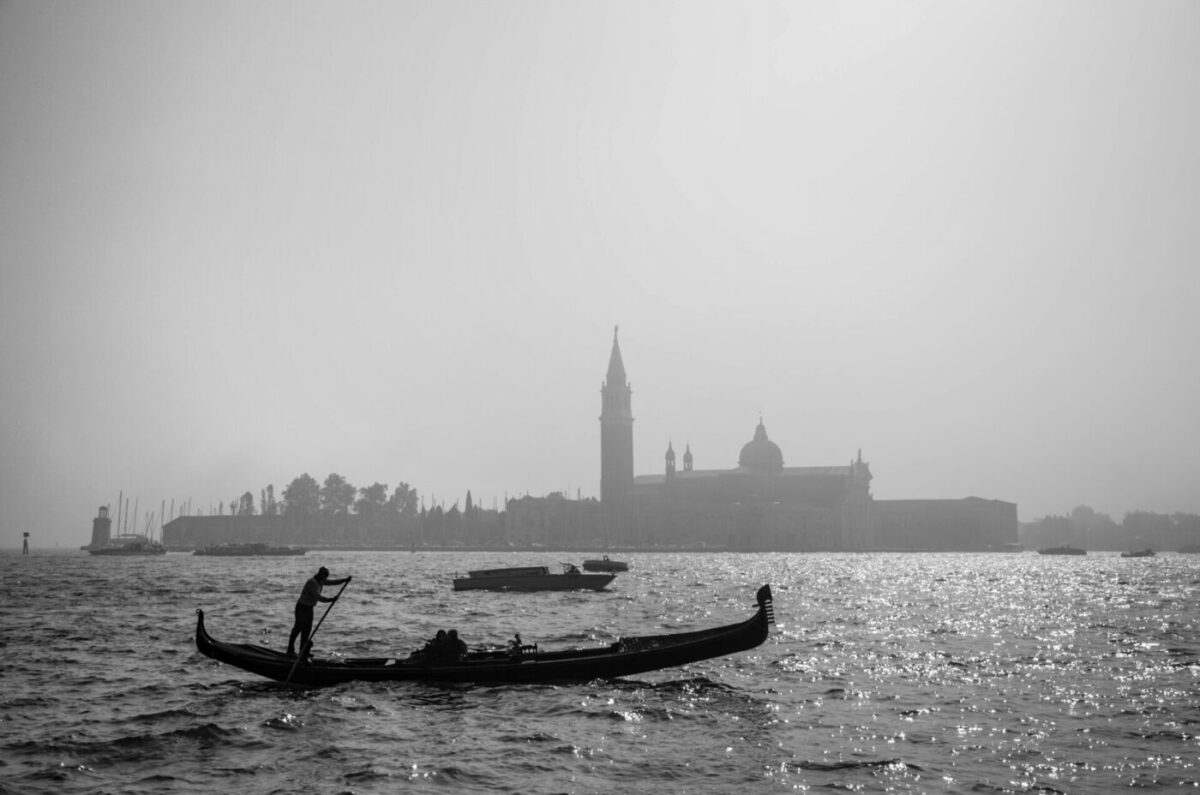
The gallery makes her “mix between seeing and capturing” concrete. A paddleboarder alone on Bled at dawn, cloud pouring over the charnel house at Kobarid, one small boat drawing a line across a pastel Adriatic: these are not the frames a person collects by arriving and pointing a camera at the famous thing. They are the frames of someone who waited, or who was already looking when the light arrived.
I also like her refusal to make equipment the centre of the story. A capable camera helps, but attention, repetition and a clear reason to photograph matter more. Her images feel like records of genuine encounters with places, which is exactly why they remain more than travel souvenirs.